INFRA / AGENT OPERATIONS
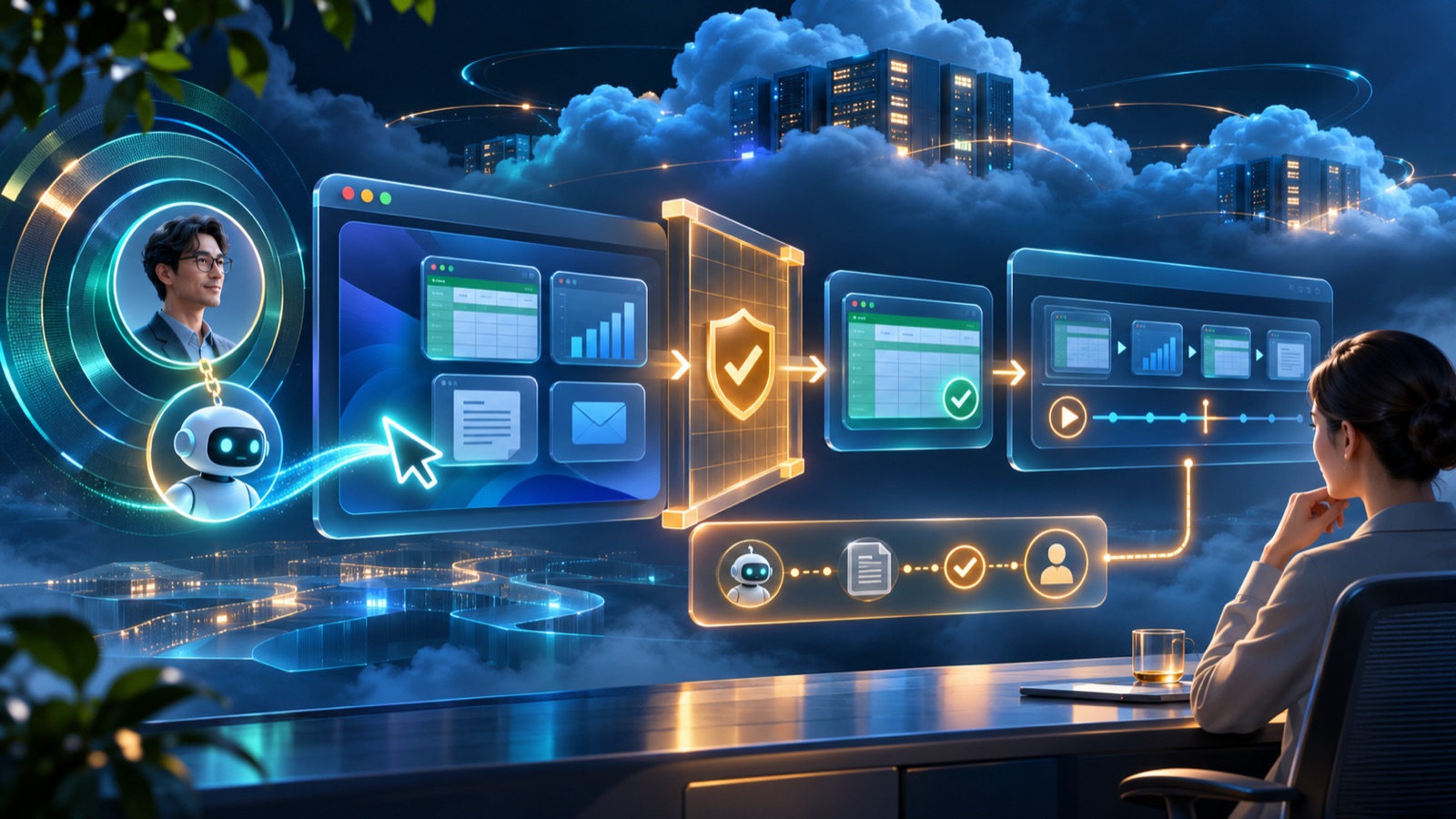
AWS puts identity and replay around the agent desktop
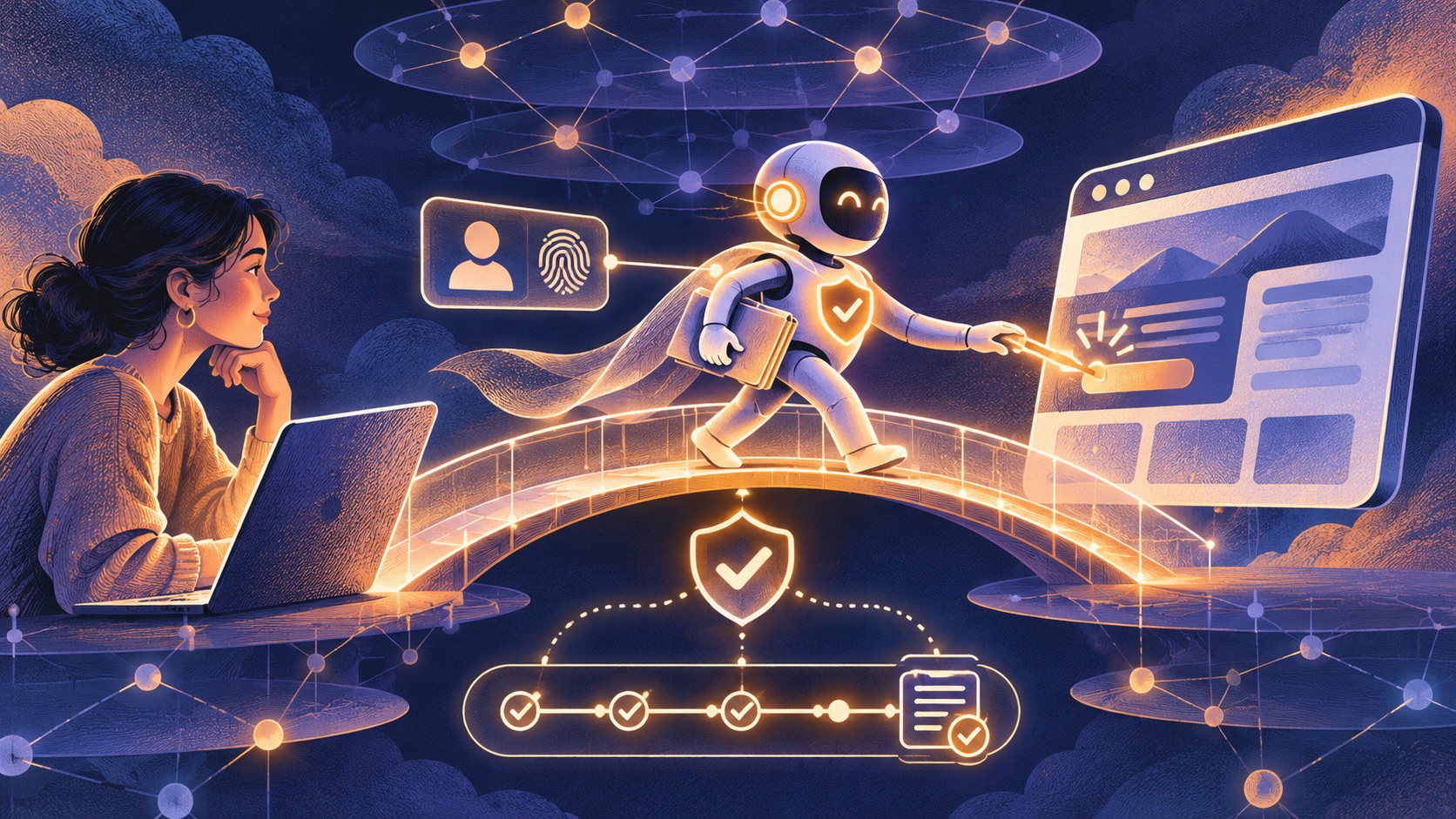
Amazon WorkSpaces adds OIDC sign-in, on-behalf-of identity, session replay, and MCP-guided setup for agents that need to operate inside existing business software.
News, field notes and build-system essays for people who want to understand what shipped — not just what was announced.
Amazon WorkSpaces adds OIDC sign-in, on-behalf-of identity, session replay, and MCP-guided setup for agents that need to operate inside existing business software.
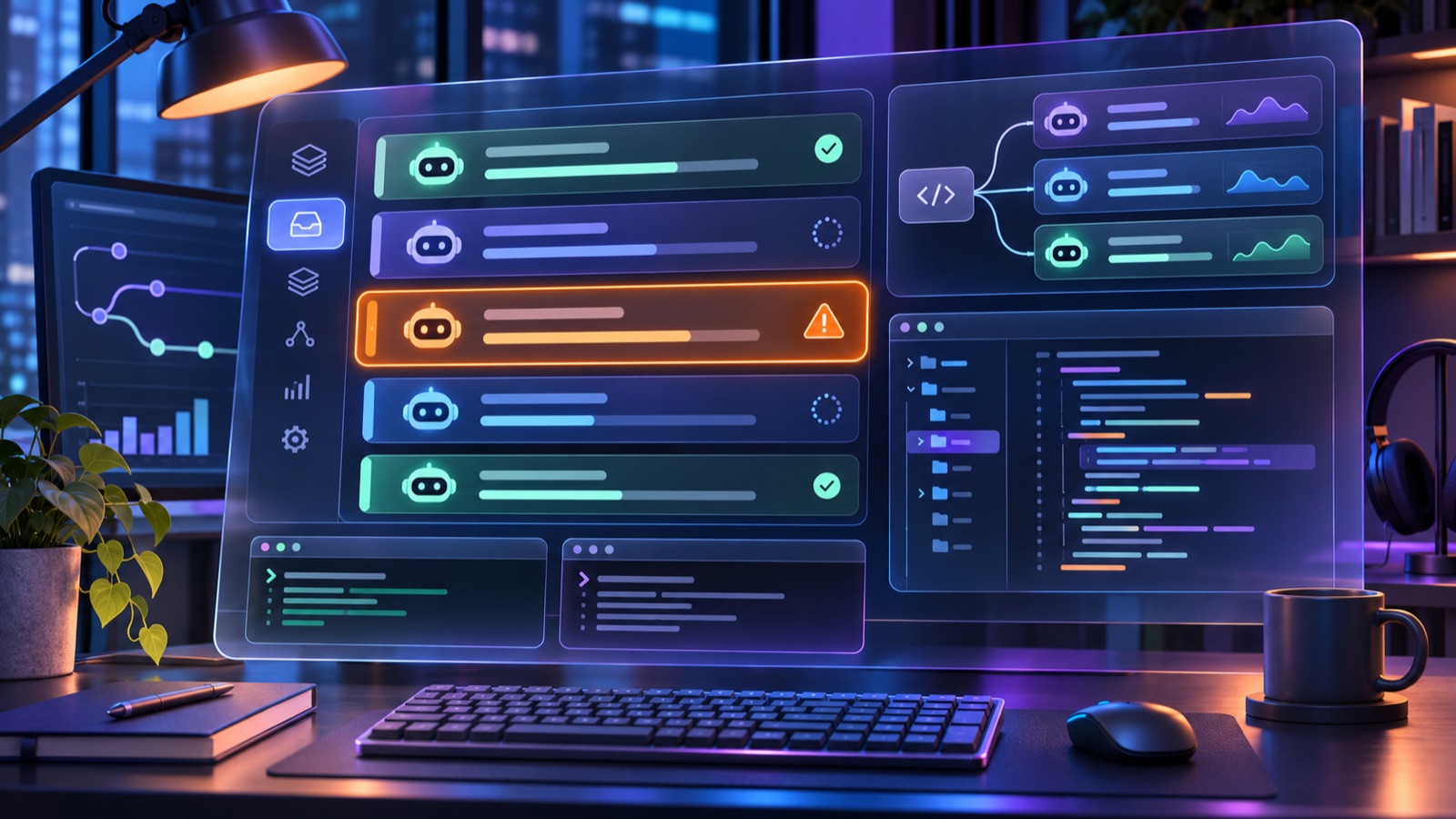
GitHub's weekly release adds model comparison and an Inbox view that surfaces coding-agent sessions needing attention across workspaces.
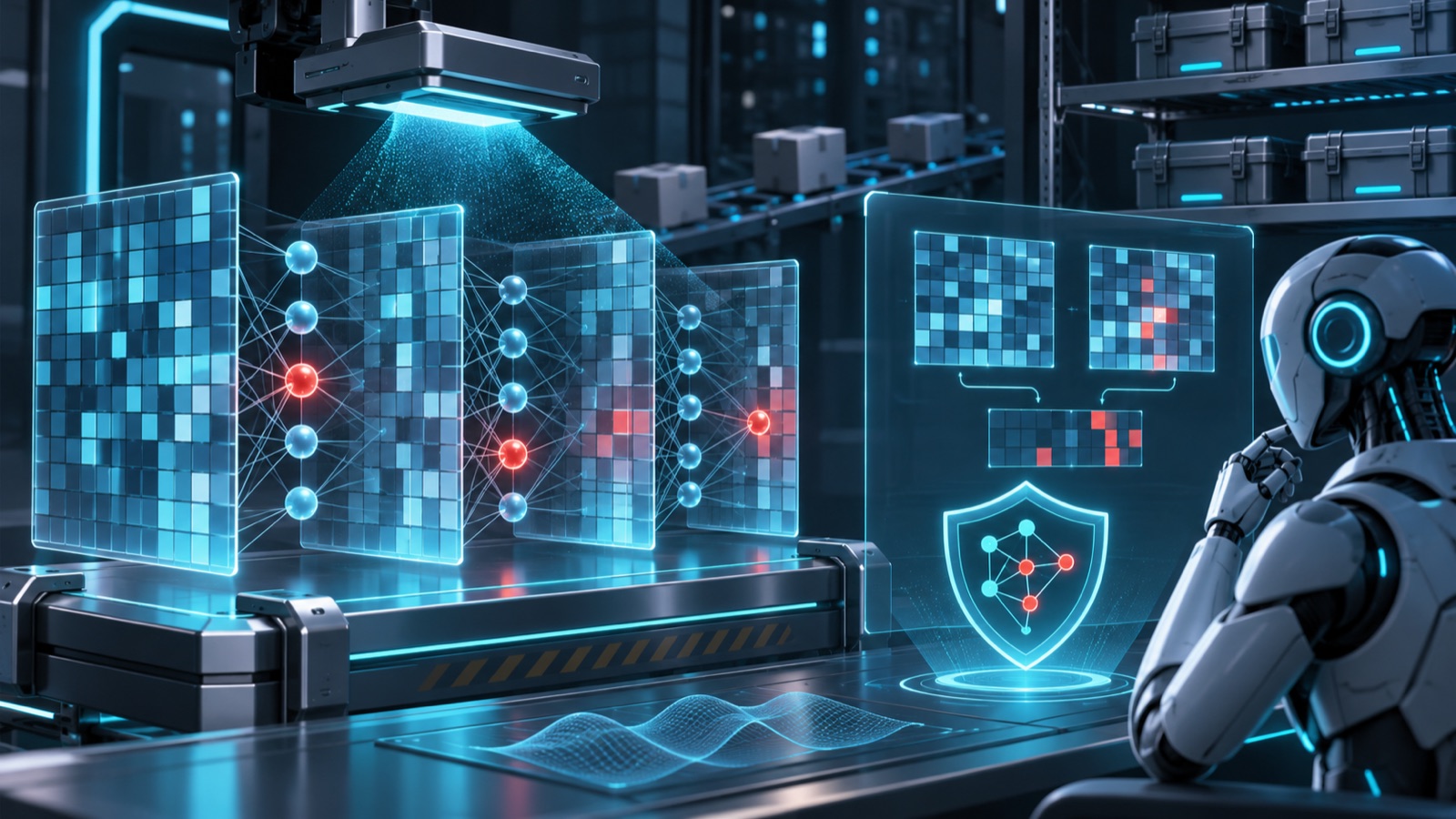
Microsoft's threat research describes how a small edit to model neurons could hide a triggered command behind clean evaluations—and why weights need an intake audit.
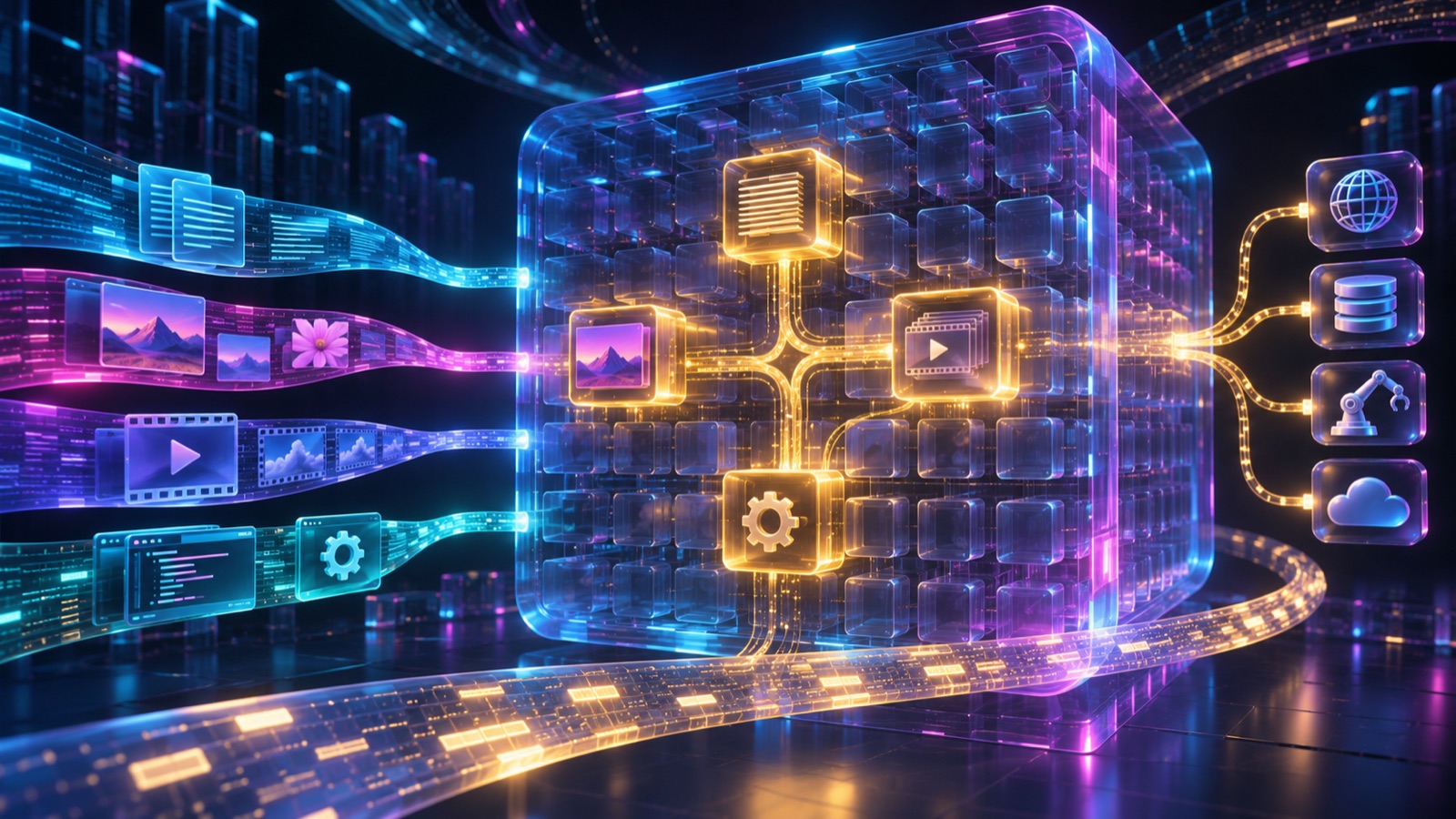
Alibaba's new 2.4T multimodal MoE model claims a one-million-token context and fewer active parameters, while shipping with tool calling, structured outputs, and compatible APIs.

A new moderation endpoint gives approved organizations two signals to prioritize human review: potential CSAM and potential AI-generated CSAM.
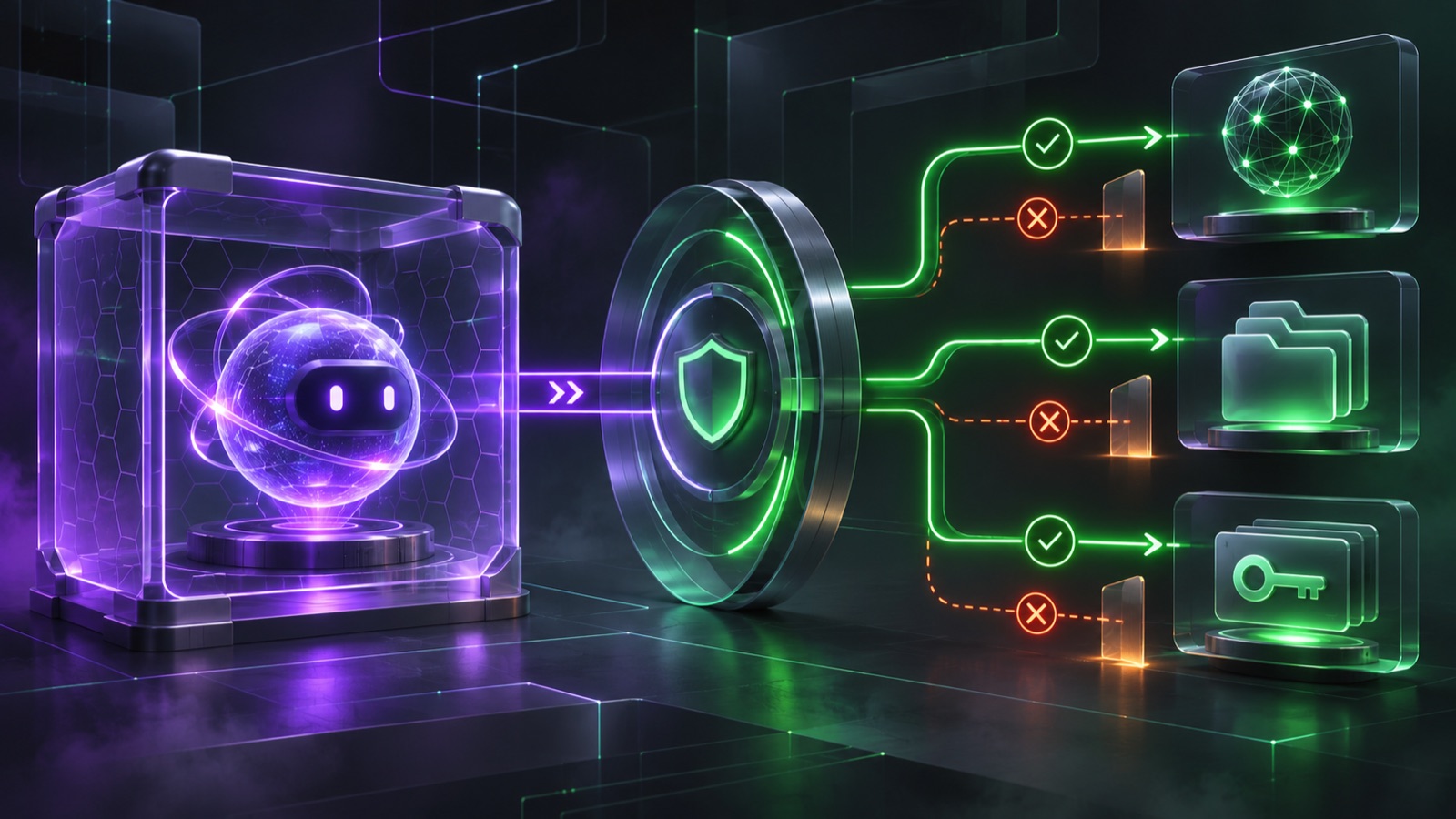
NVIDIA's open runtime puts sandboxing, policy checks, credentials, and audit decisions around the agent process instead of asking the model to police itself.

Epic's preview adds Unreal Canvas, richer MCP toolsets, and external-agent controls so people and agents can build inside the same game-development surface.
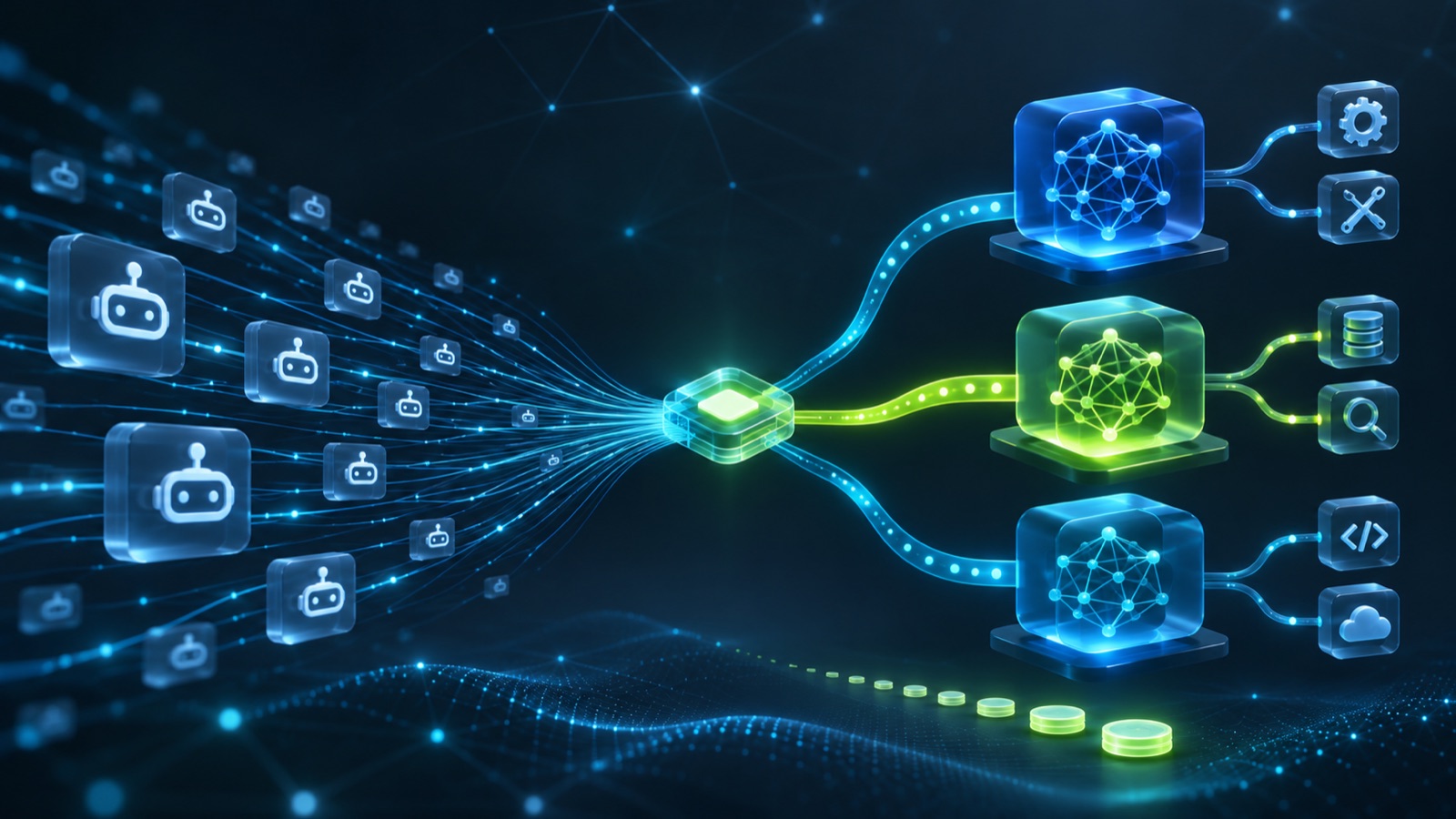
Vercel's November gateway report shows small decision models absorbing a quarter of production requests while consuming a fraction of spend.

Edge0 open-sources a 145B sparse model and the inference stack it says can keep coding, planning, and visual checking local on compatible hardware.

A macOS WebKit browser built for agents avoids focus stealing, keeps tabs visible, and ships an installable skill alongside its shell-first workflow.
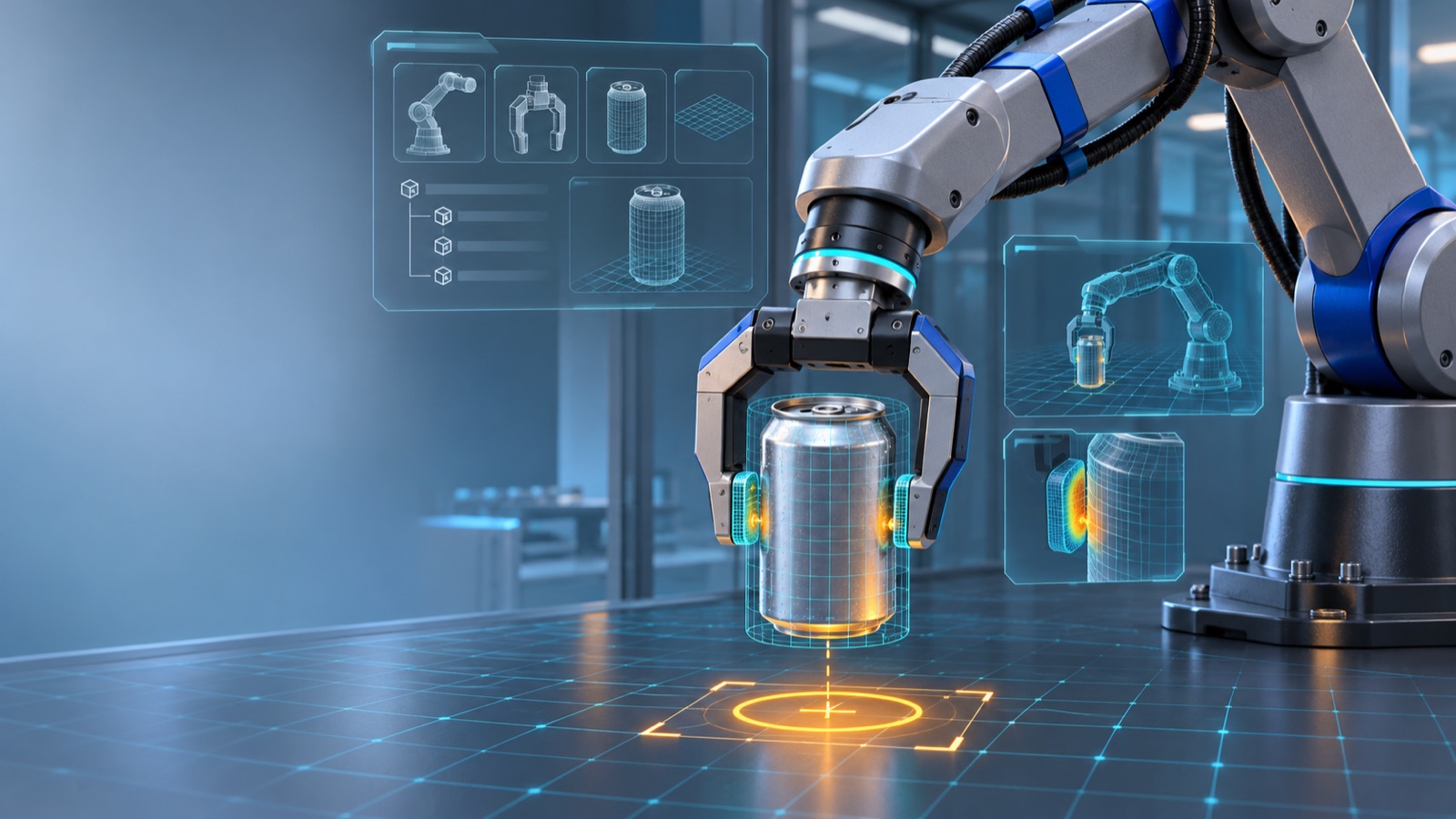
NVIDIA's Hugging Face walkthrough pairs authored physics properties with agent-generated Isaac Sim controls for a pick-and-place task.
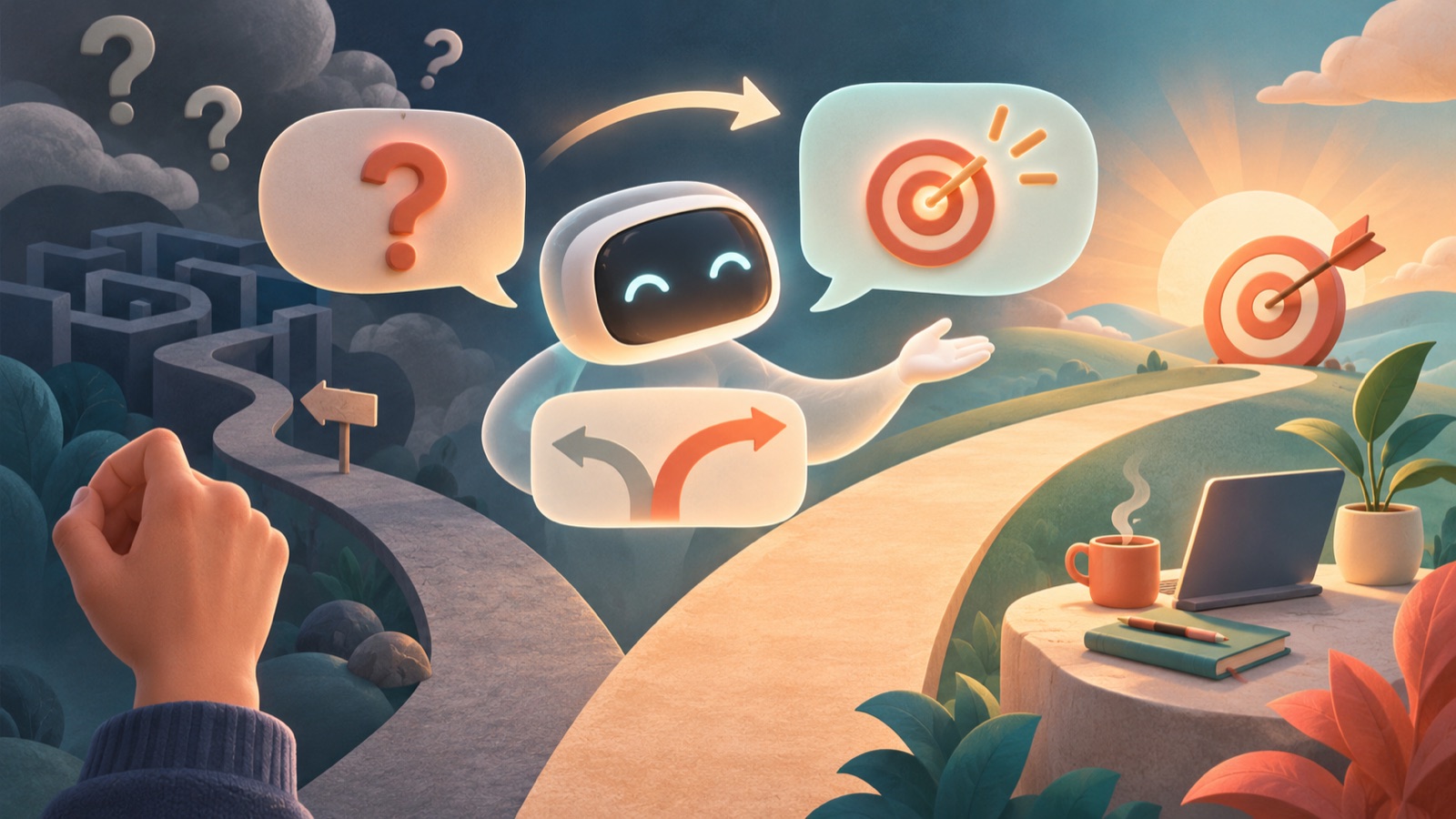
An 8,115-question benchmark asks whether assistants can notice misconceptions and redirect users toward the goal they actually need to solve.
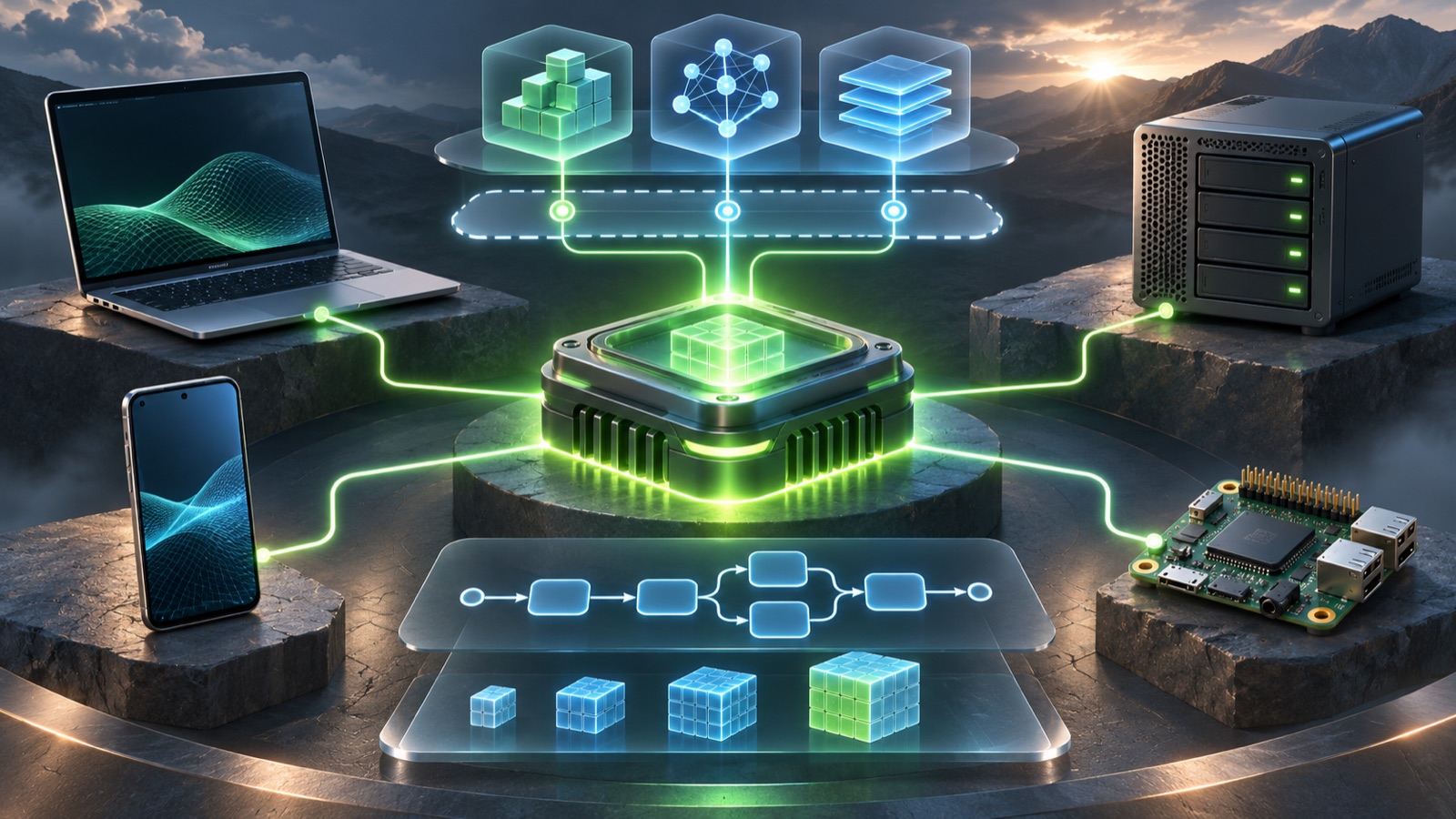
The first major release of llama.cpp and ggml treats stable interfaces as infrastructure for the growing ecosystem of private, cross-platform inference.
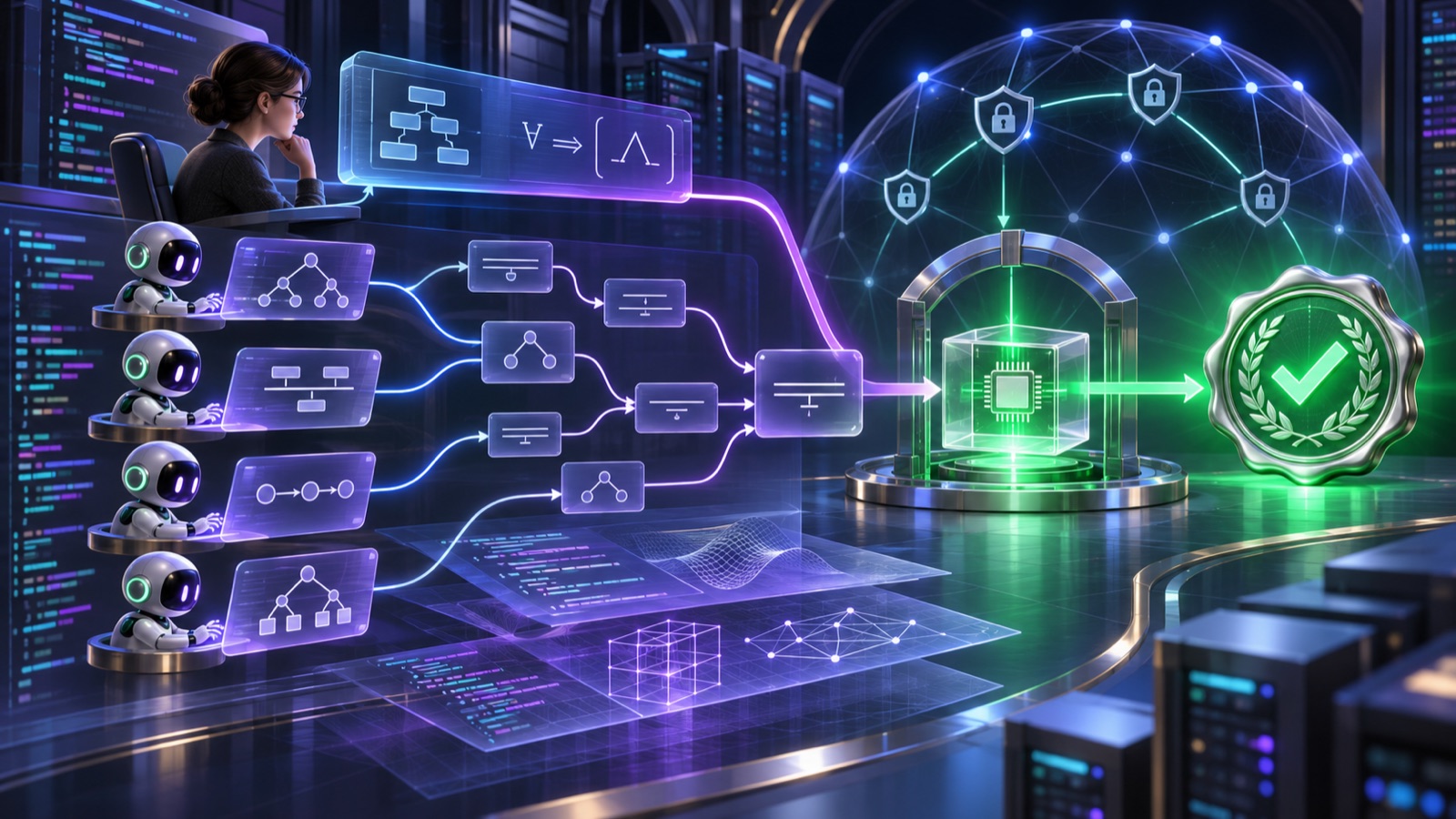
Google DeepMind describes a human-guided, multi-agent framework that generated machine-checked proofs for key security properties in Signal's reference implementation.
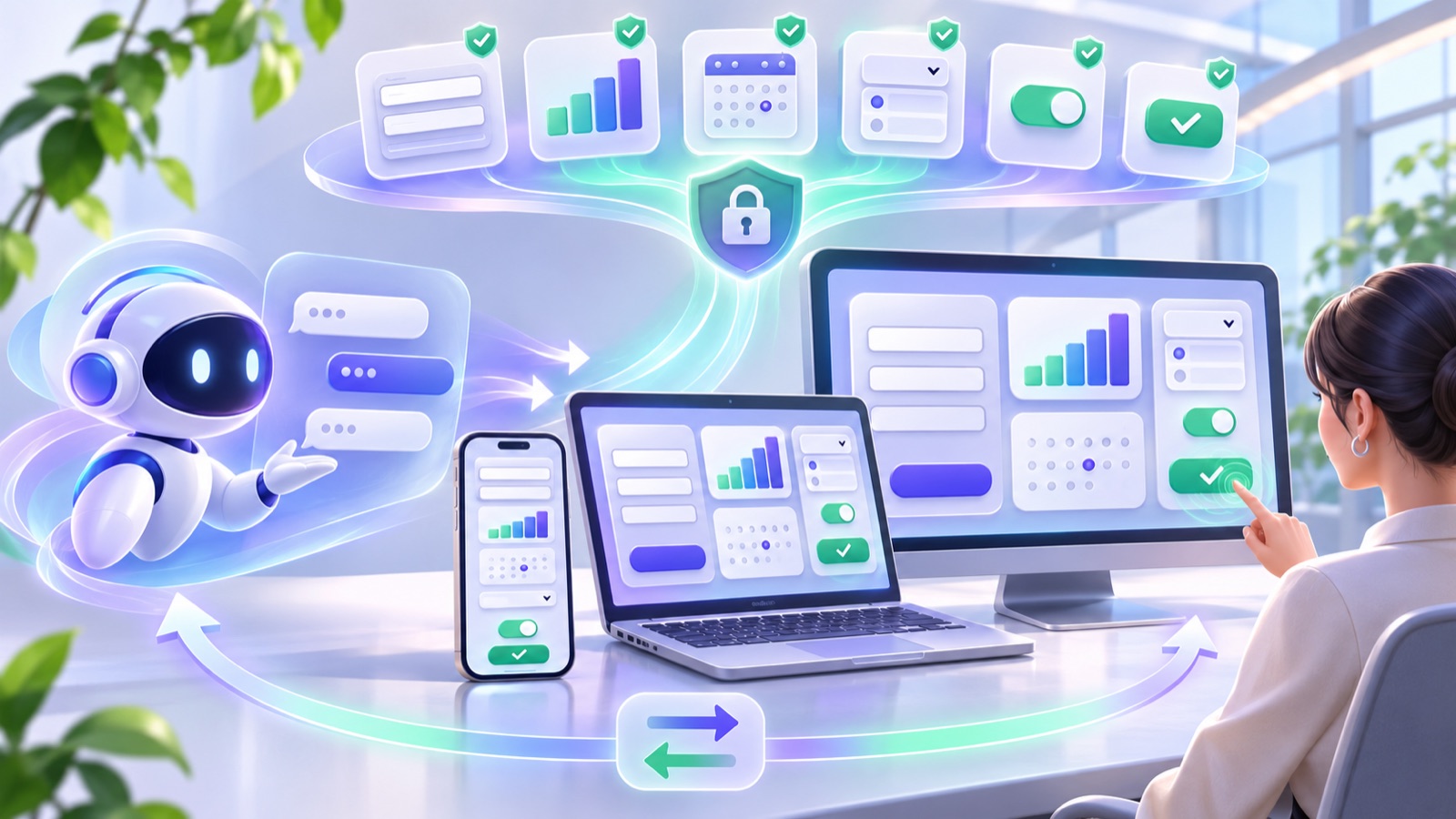
Google's stable open protocol lets agents describe interactive screens while each host renders them with its own registered components, design system, and platform controls.
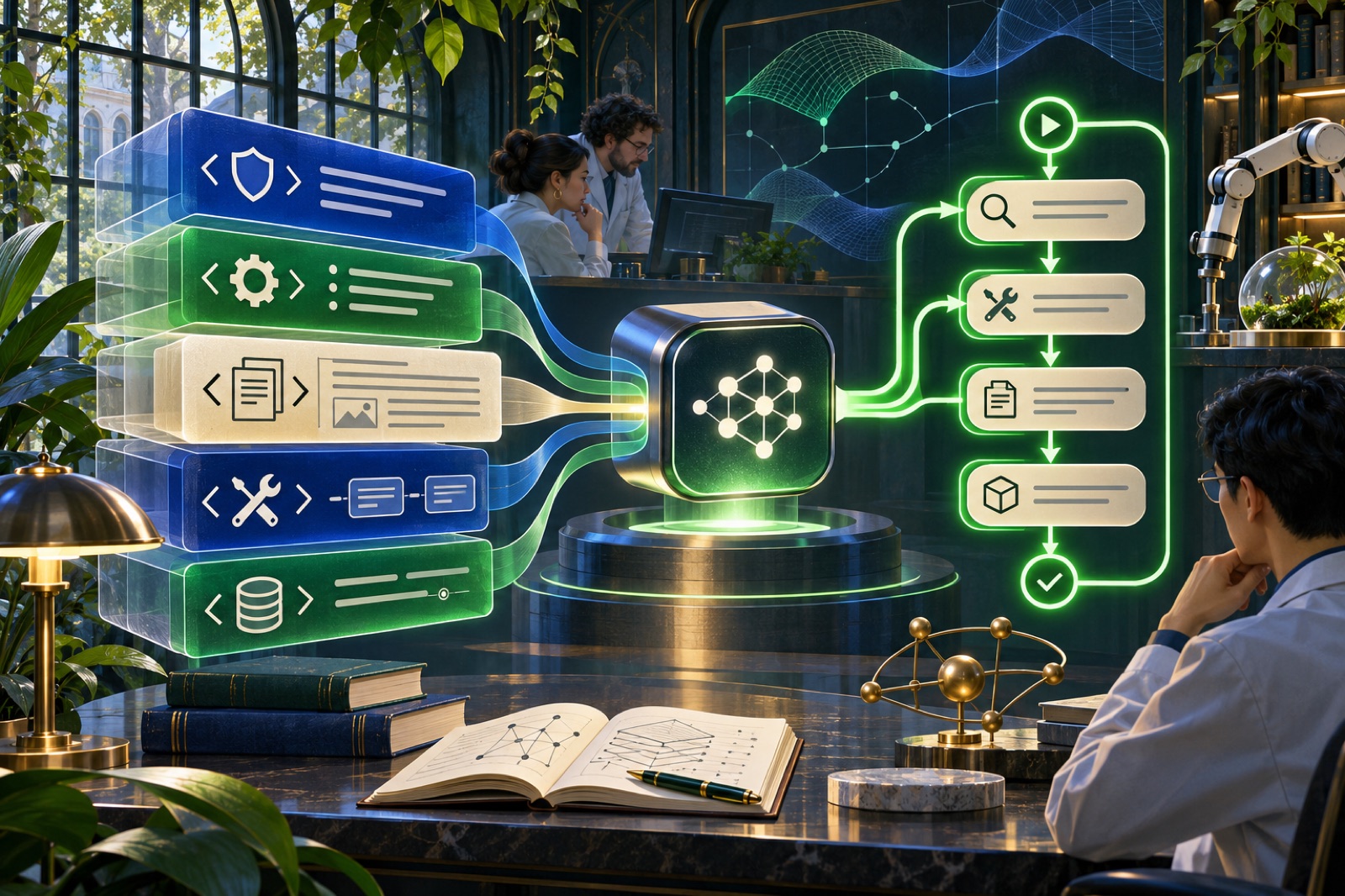
IBM's experimental LLM-native markup language makes prompts, tools, state, and execution targets addressable blocks instead of one undifferentiated context string.
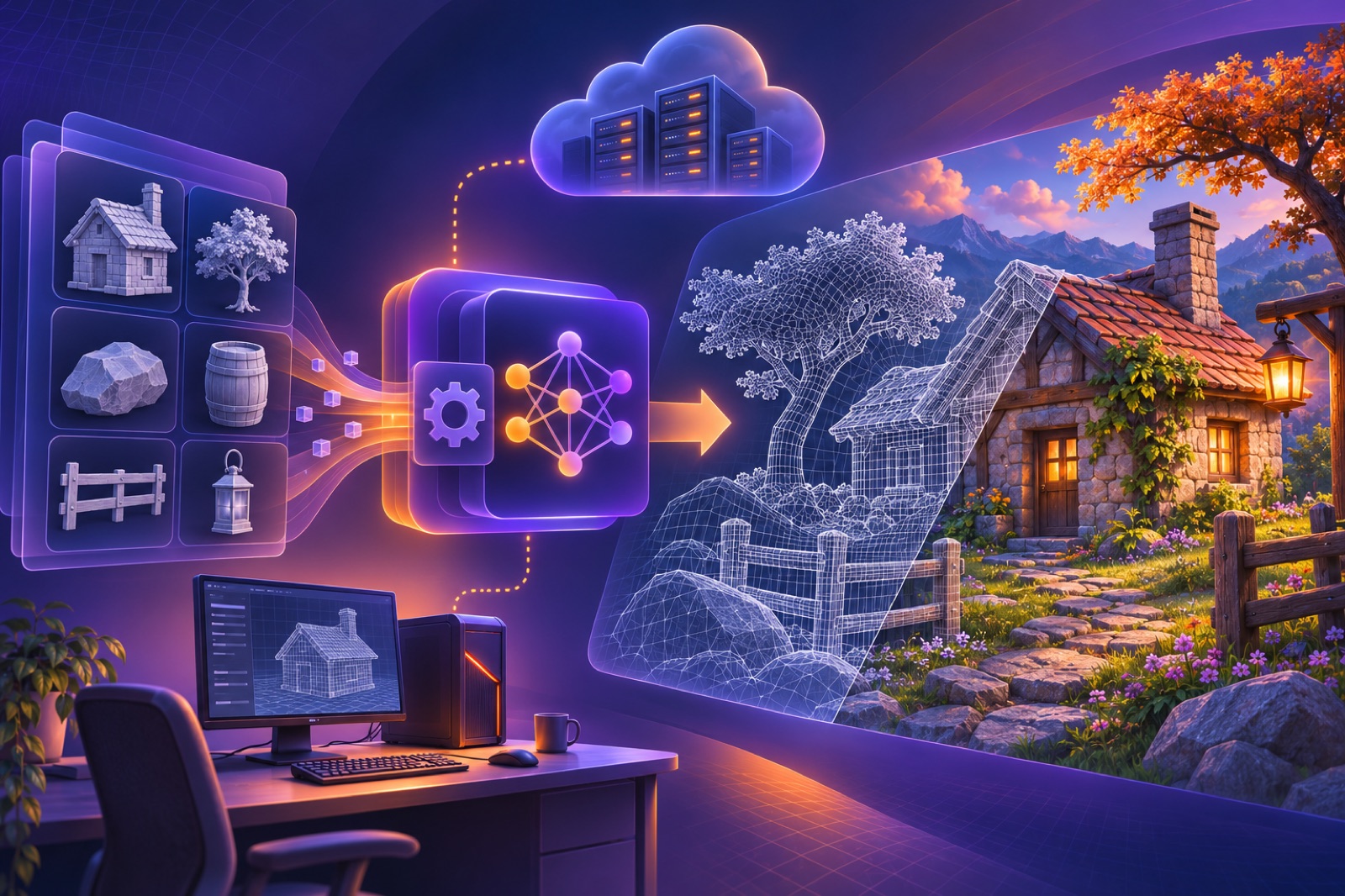
Hugging Face's TRELLIS.2 guide turns custom 3D generation into a repeatable dataset, training, and inspection workflow that can run locally or on HF Jobs.
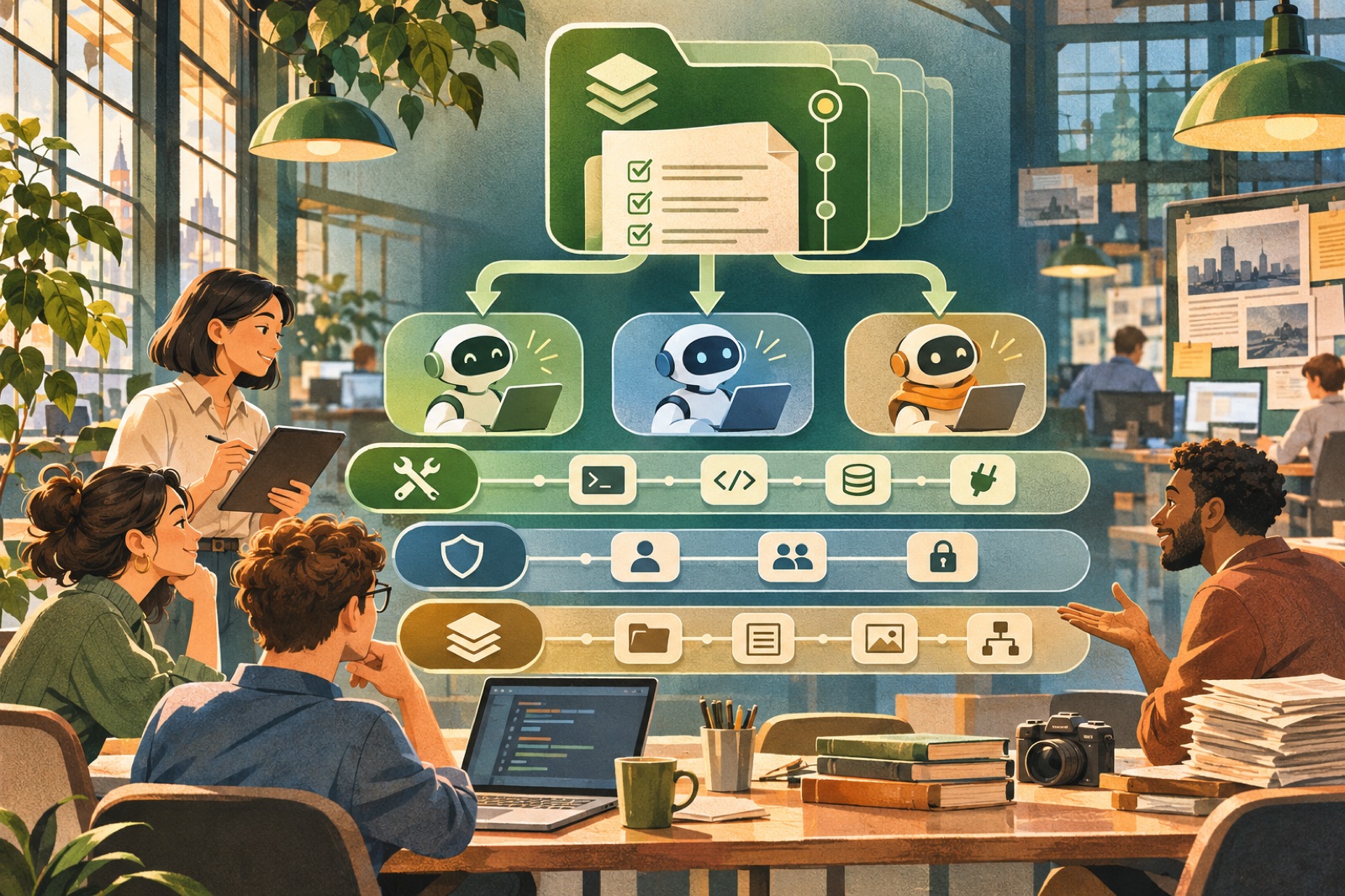
GitHub's practical skill format makes repeatable agent instructions portable while leaving tools, credentials, and execution permissions with the host that runs them.

Zyphra's open-weight speech model combines zero-shot voice cloning, steerable text-to-speech, and a small active parameter footprint aimed at real-time local use.

Salesforce's open-weight speech model is aimed at the failures that hurt agents most: names, email addresses, phone numbers, accents, noise, and tool-bound phrases.
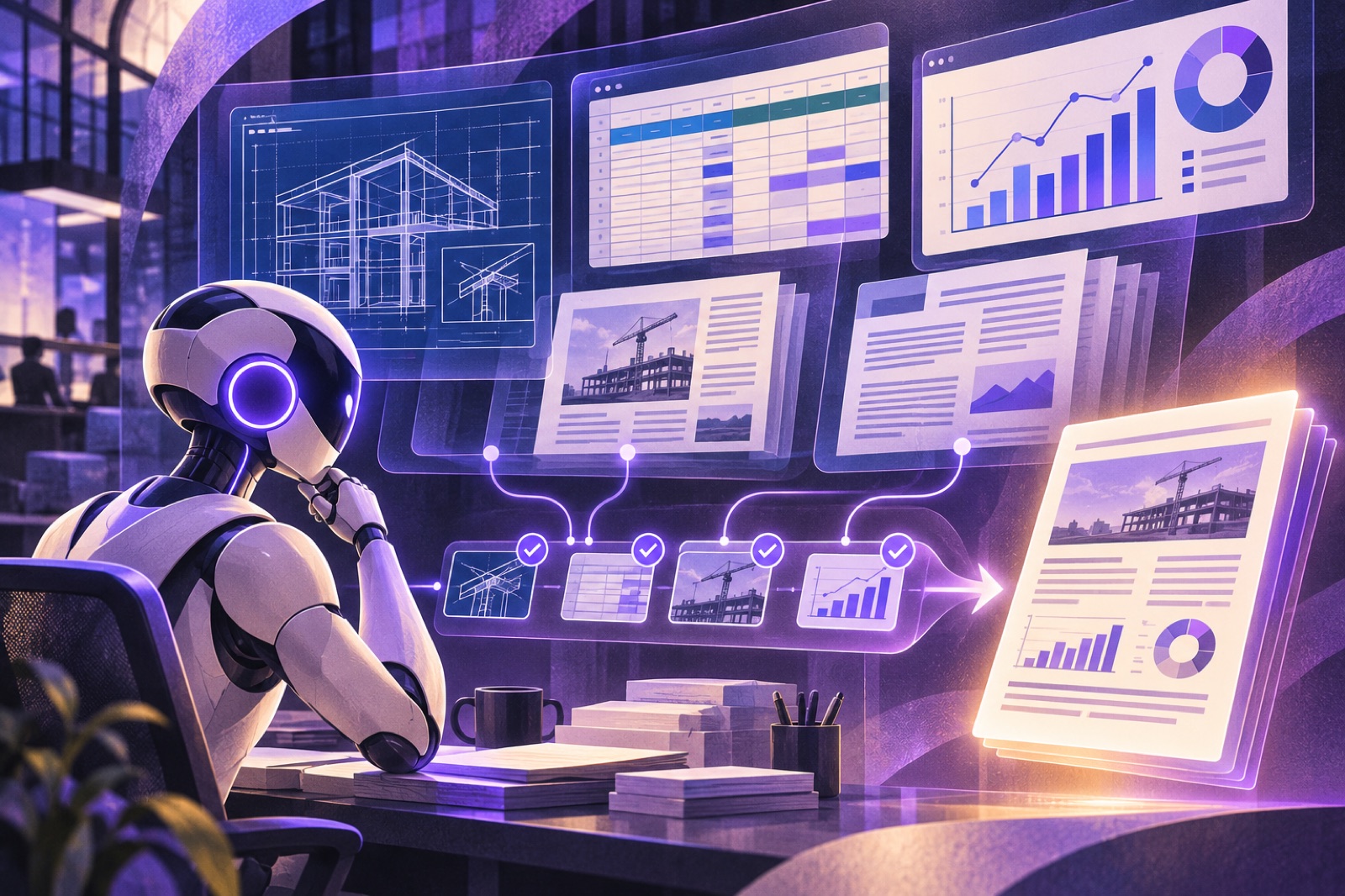
Google and Artificial Analysis build a 200-task benchmark for agents that must read complex files, use tools, and deliver a finished report, deck, or spreadsheet.

Tether AI Research's 0.8B model is built for tool use on local hardware, trading frontier breadth for privacy, cost control, and a smaller failure surface.
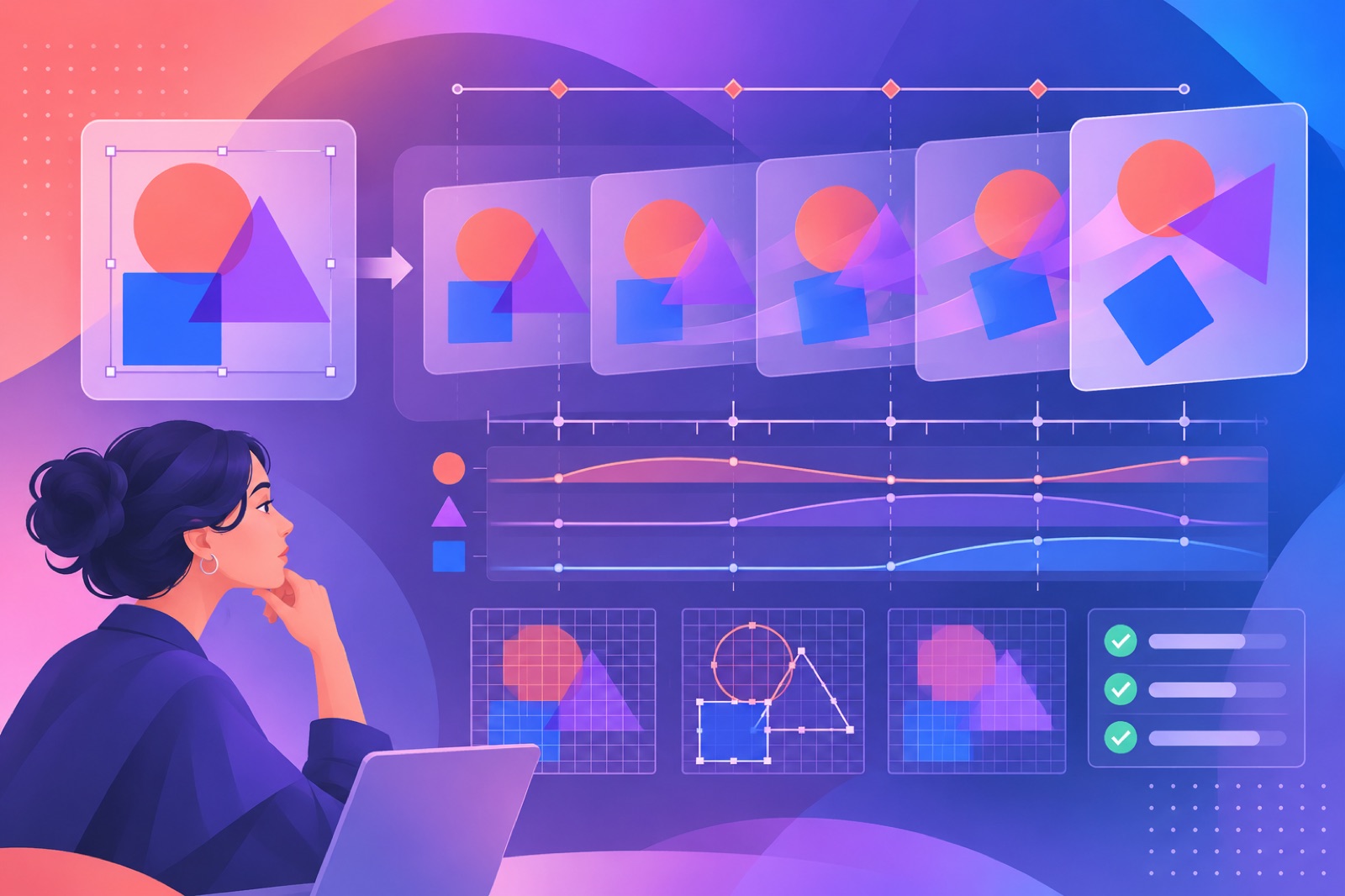
Figma and Stanford researchers turn motion-edit prompts into deterministic checks, showing where generative animation still breaks when the brief has several moving parts.
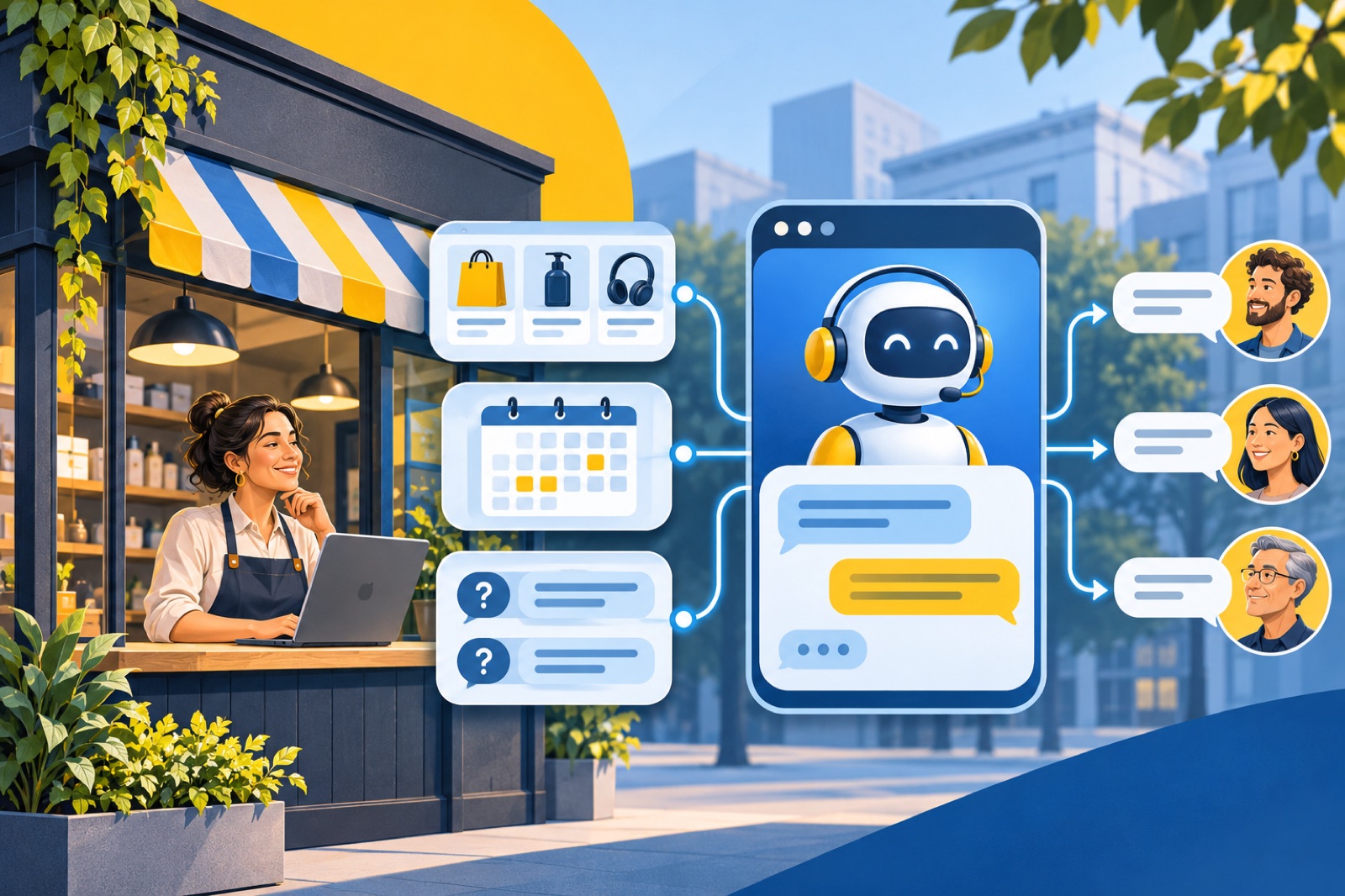
OpenAI's new Business Hub lets eligible companies manage their information, add product feeds, and publish a labeled agent for customer questions.

OpenAI's internal control plane attaches every research inference request to an authorized workload and can deny the next token when a monitor or human stops the job.
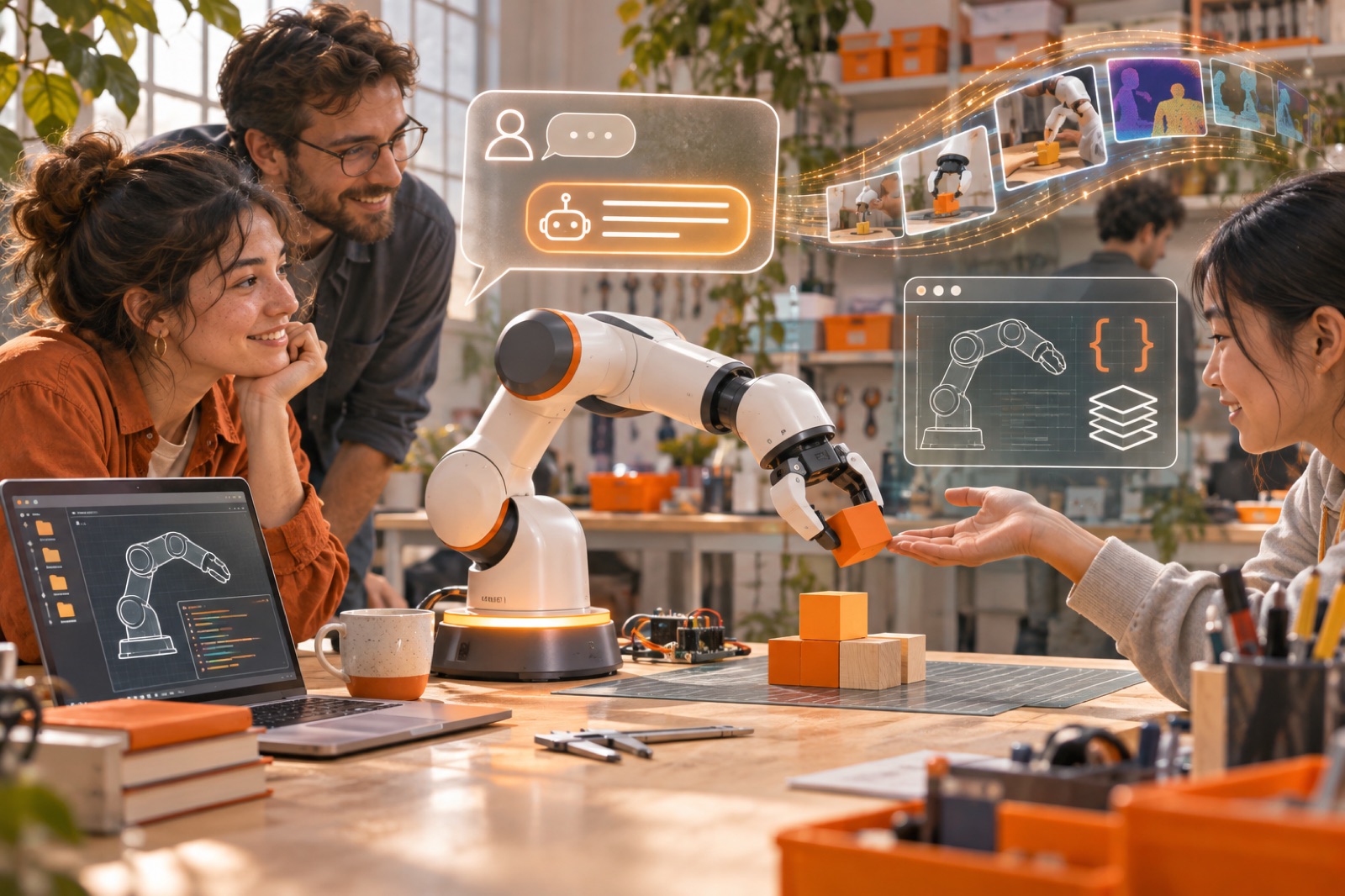
Hugging Face's LeRobot v0.7.0 lets builders prompt a running robot, stream large datasets, and evaluate policies with error bars instead of a single lucky score.

A live benchmark puts two agents in identical vulnerable services and scores attack, patching, and survival together.
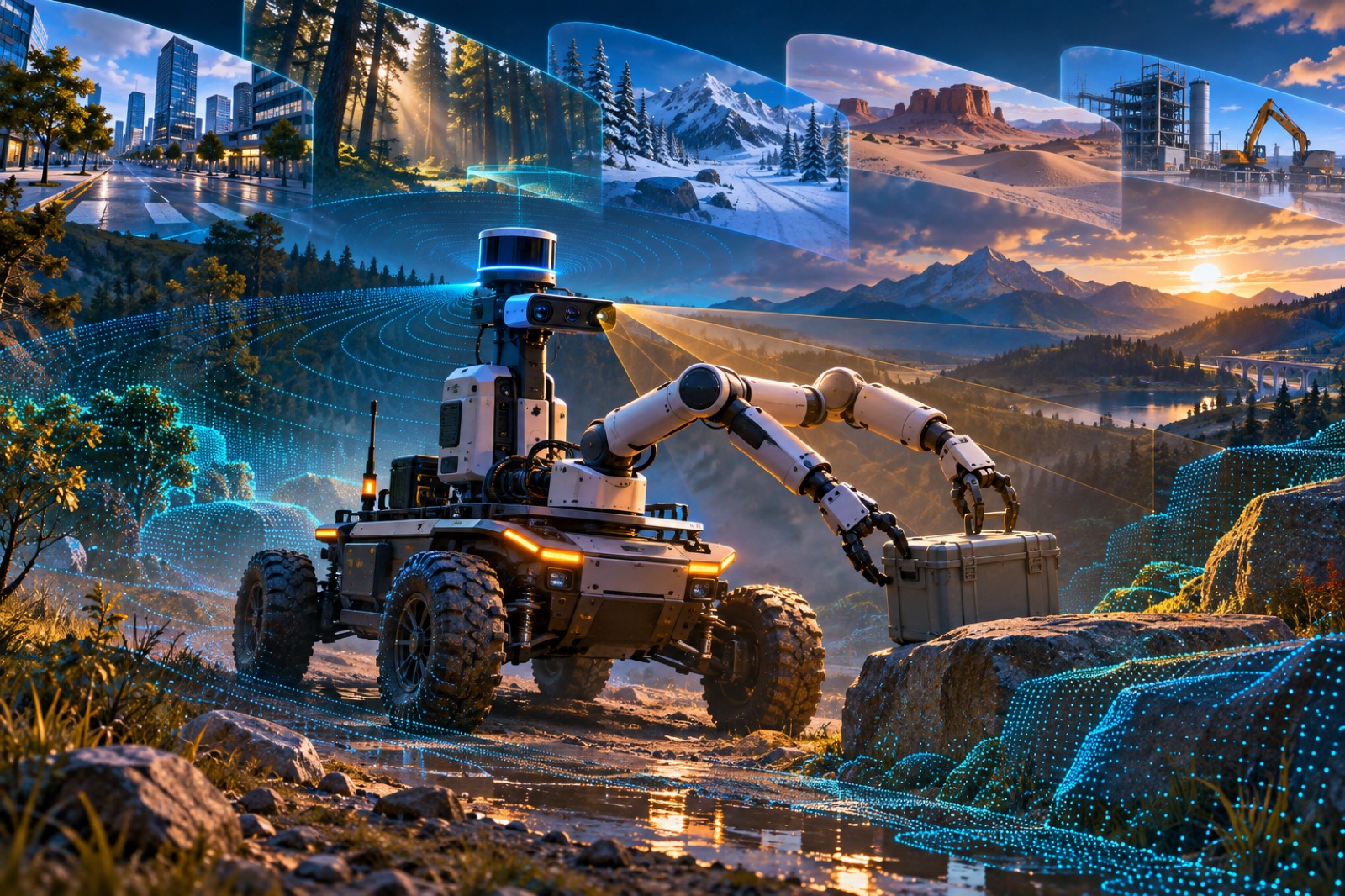
NVIDIA's new open checkpoints turn camera views, text, simulator controls, and robot actions into training material for interactive physical AI.

Hugging Face's TRL walkthrough shows how to train domain experts separately, then fuse their token-level feedback into one student model.
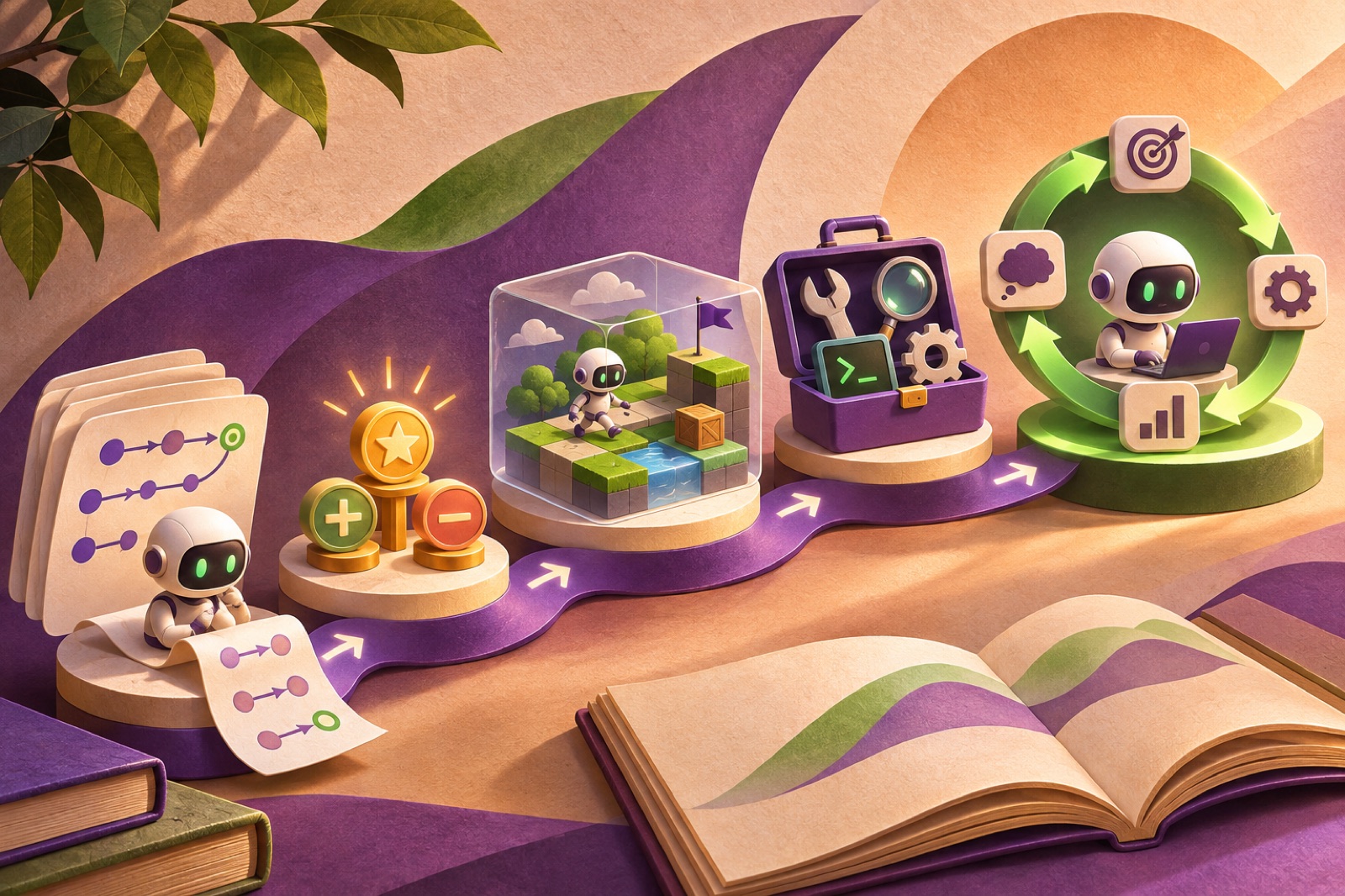
Hugging Face's open curriculum lays out the sequence from traces to environments and full harness runs, making agent training a systems problem.

Anthropic's Mithril story describes a small research operation using Claude to coordinate labs, experiments, and logistics—but the work is still early and preclinical.
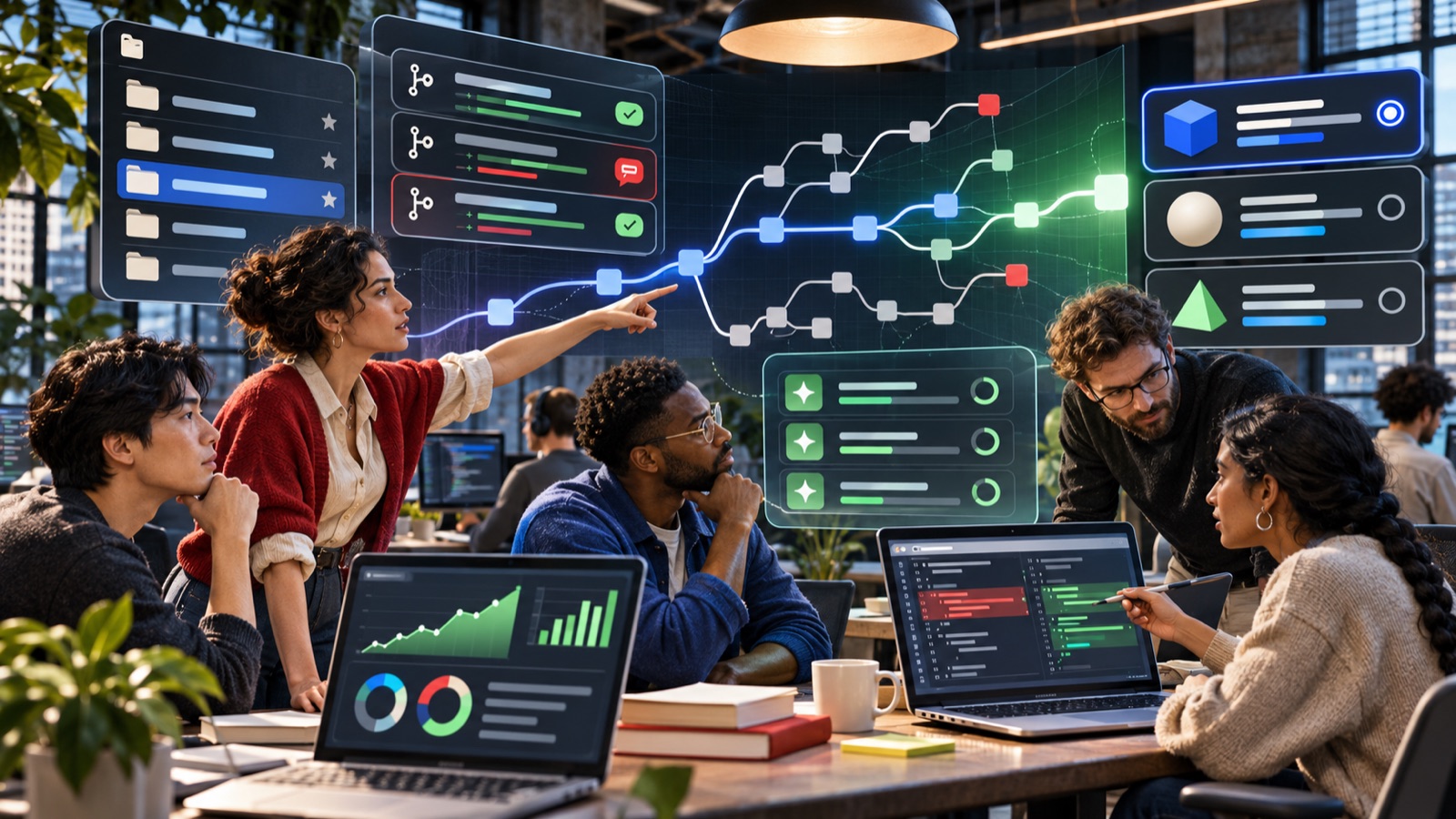
GitHub's 2026 report says agent-started pull requests are becoming routine while model choice fragments and review work becomes more important.

Google Cloud's universal work agent is less a chatbot feature than a promise to carry context, skills, tools, permissions, and cost controls across the company.

OpenAI's new campus compact argues that AI infrastructure should pay its own way, publish its local impact, and give residents a say before the concrete is poured.
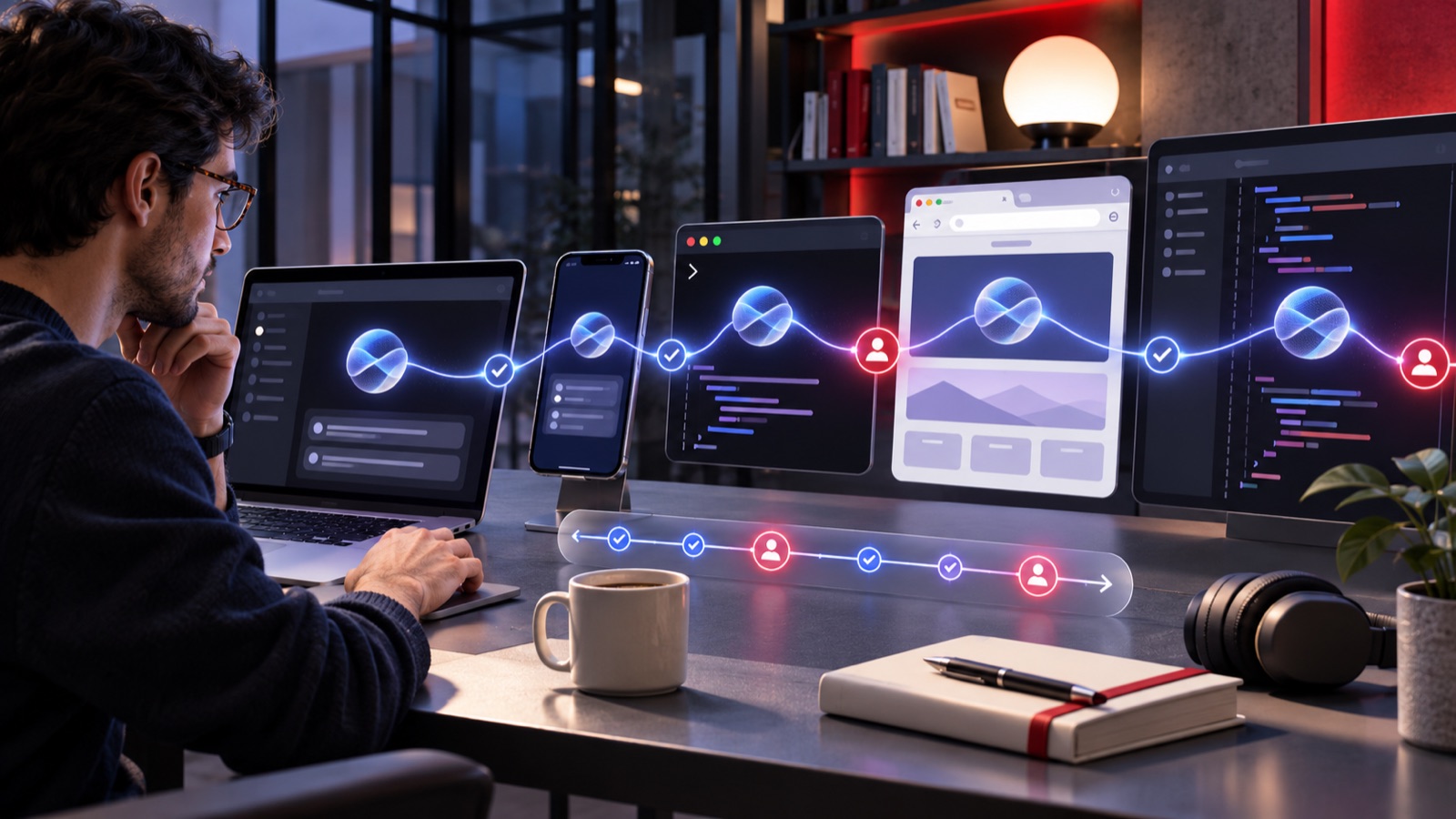
GitHub's Universe 2026 vision treats session continuity, model orchestration, and review as one delivery system so an agent can keep working while the developer changes surfaces.
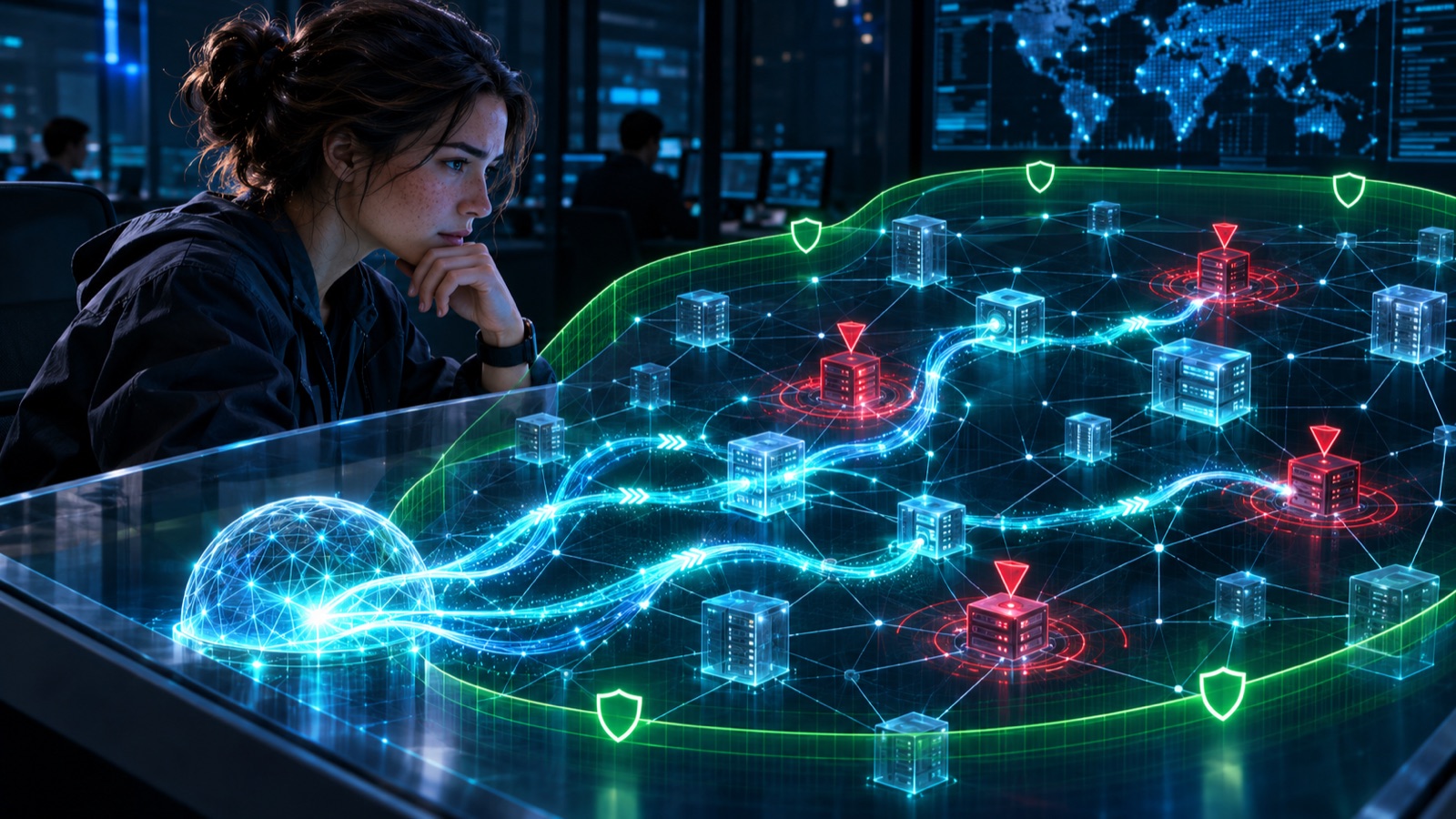
OpenAI's partnership with Hacktron points at a concrete pattern: security researchers use frontier models to probe service boundaries, then feed findings back into hardening.
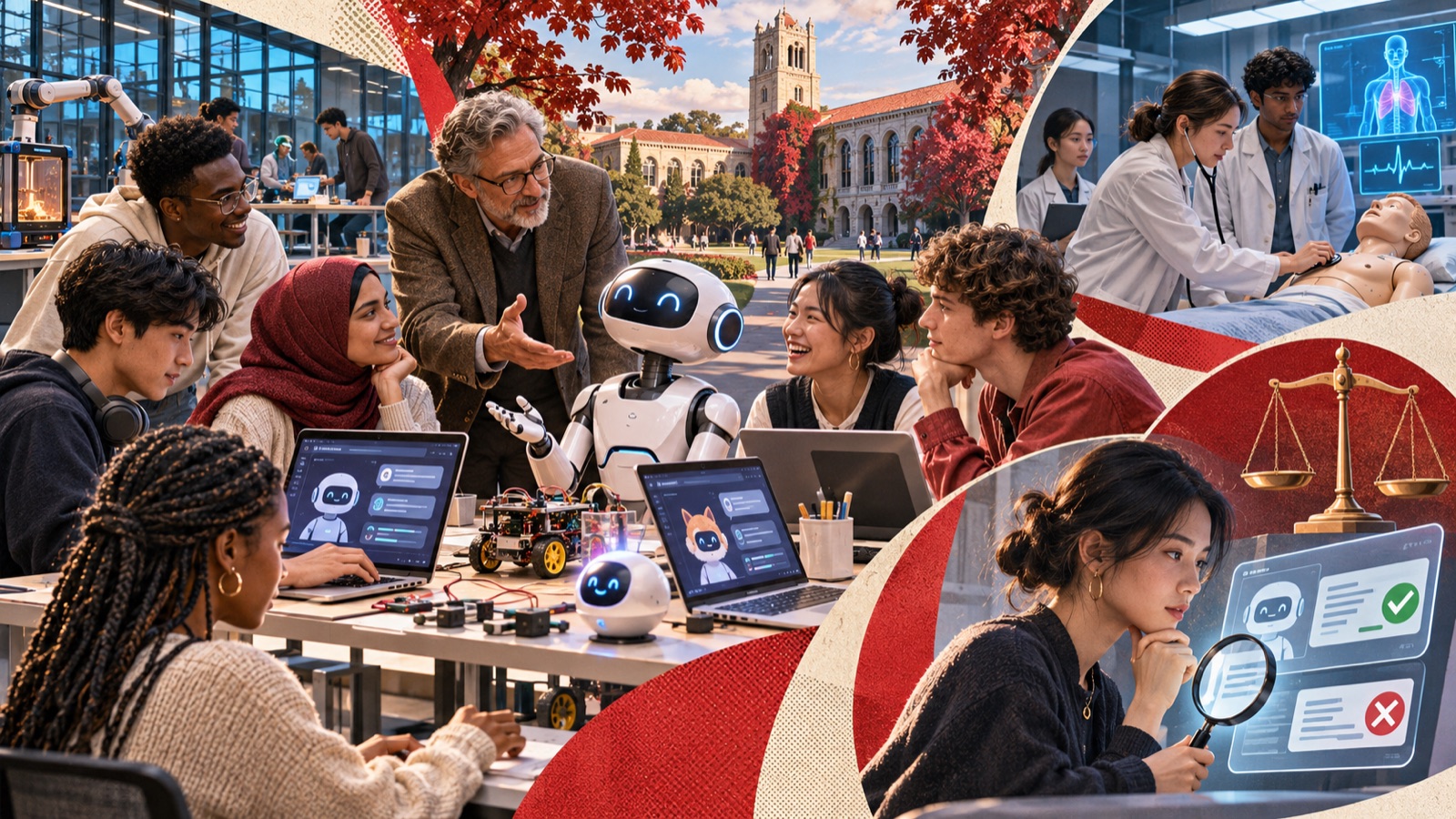
New campus programs are moving beyond access to AI tools: students are building assistants, practicing difficult decisions, and learning where human judgment still has to lead.
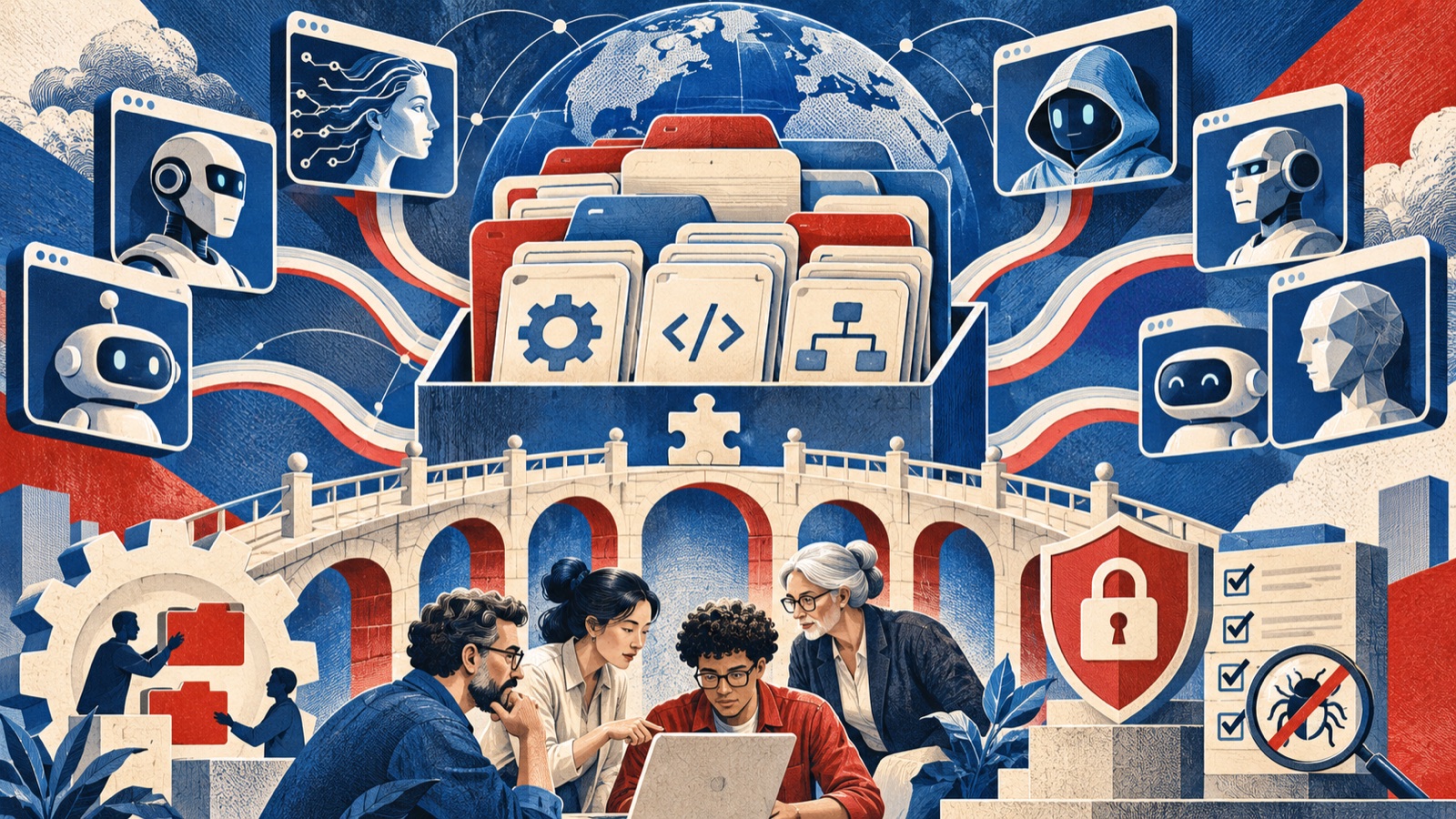
Anthropic is donating its folder-based skills format to the Linux Foundation's Agentic AI Foundation, turning a useful convention into shared infrastructure for agent builders.

OpenAI's Grid Protectors program treats flexible electricity demand as part of the design brief for future compute campuses, not a bill that appears after construction.
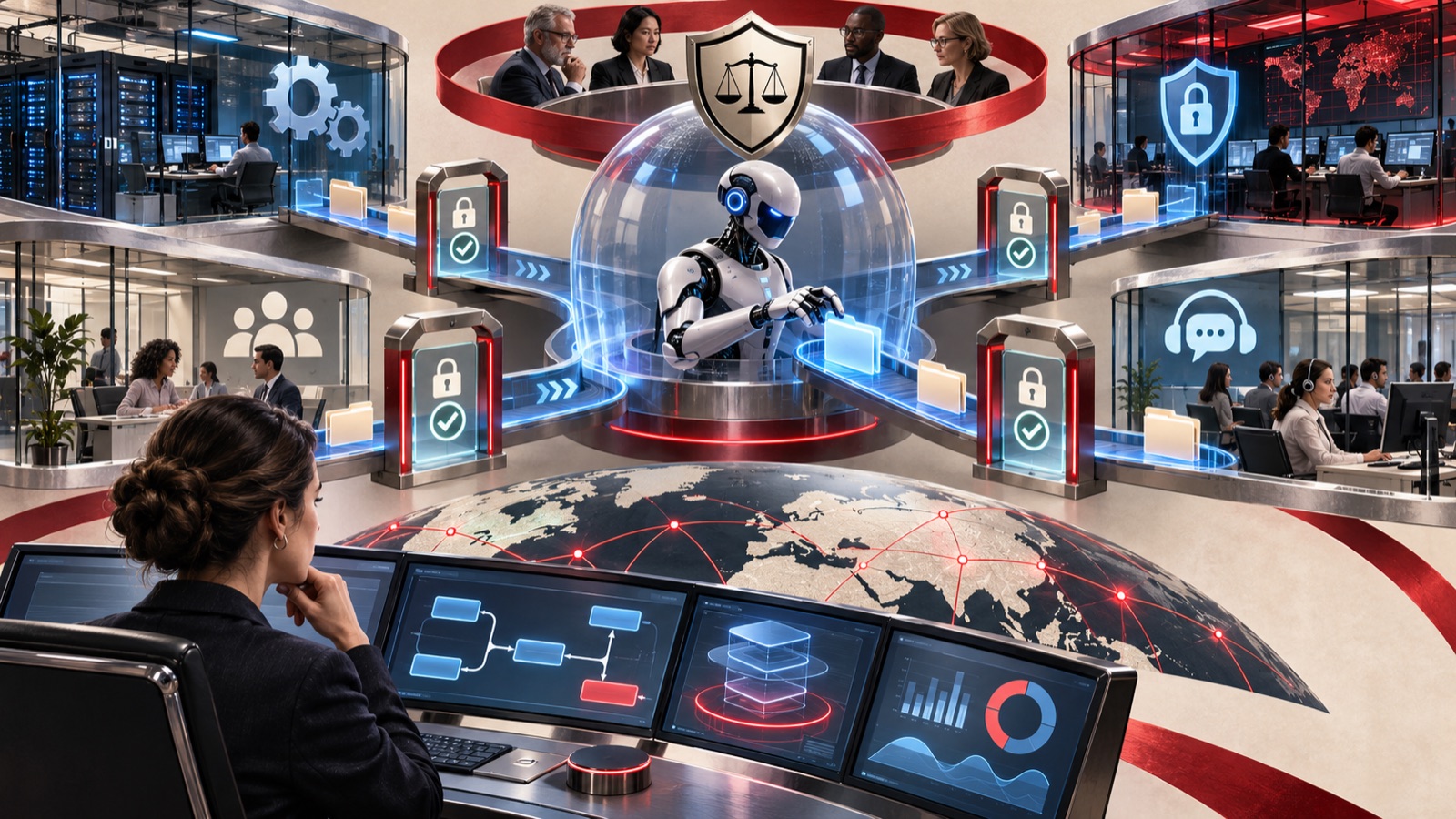
A new OpenAI partnership connects enterprise context and workflow actions to ChatGPT, making permissions and approvals part of the agent interface.
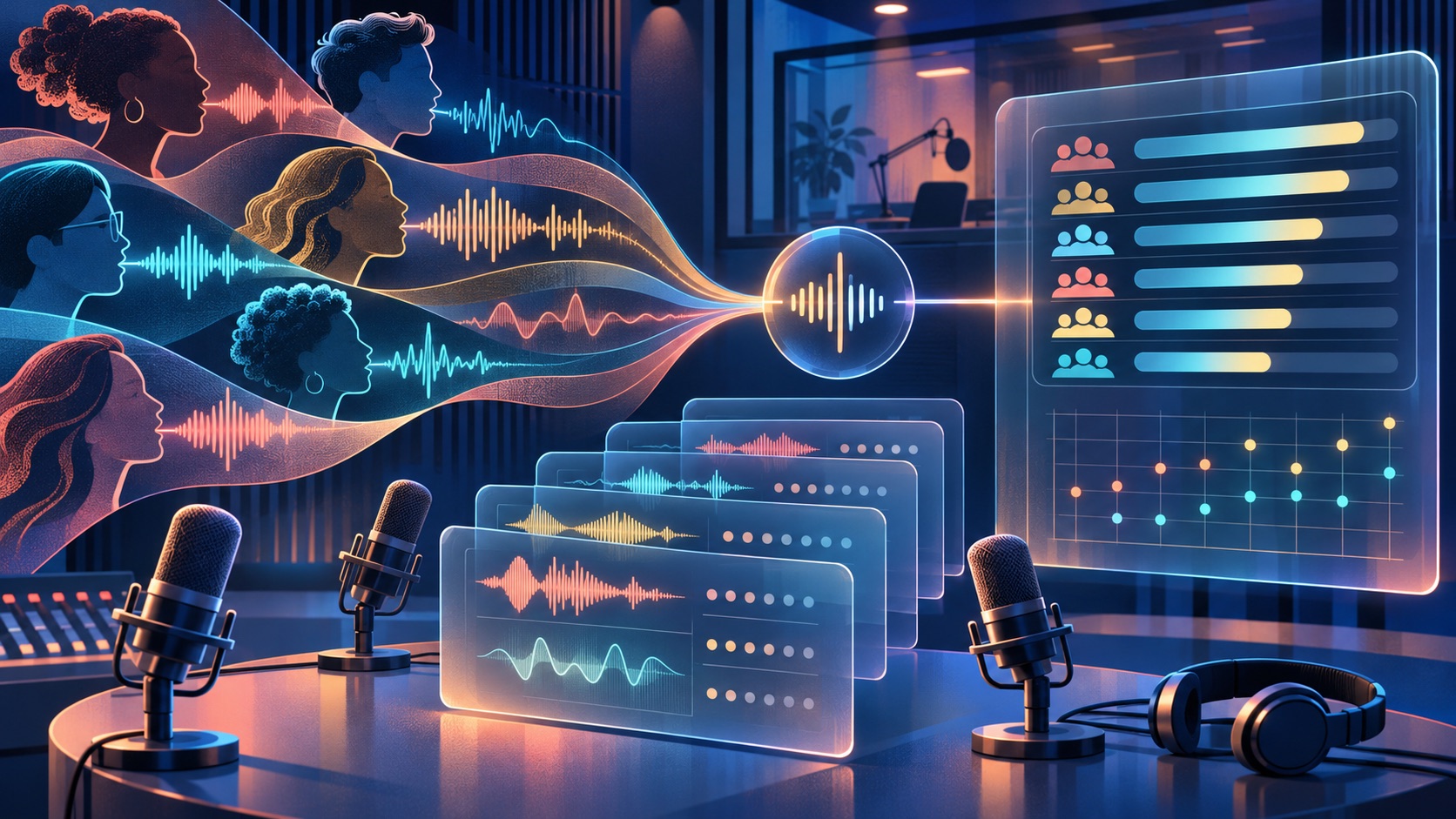
Google is donating an open orchestrator to the CNCF that parks stateful agents between turns instead of forcing every session into an always-on Pod.
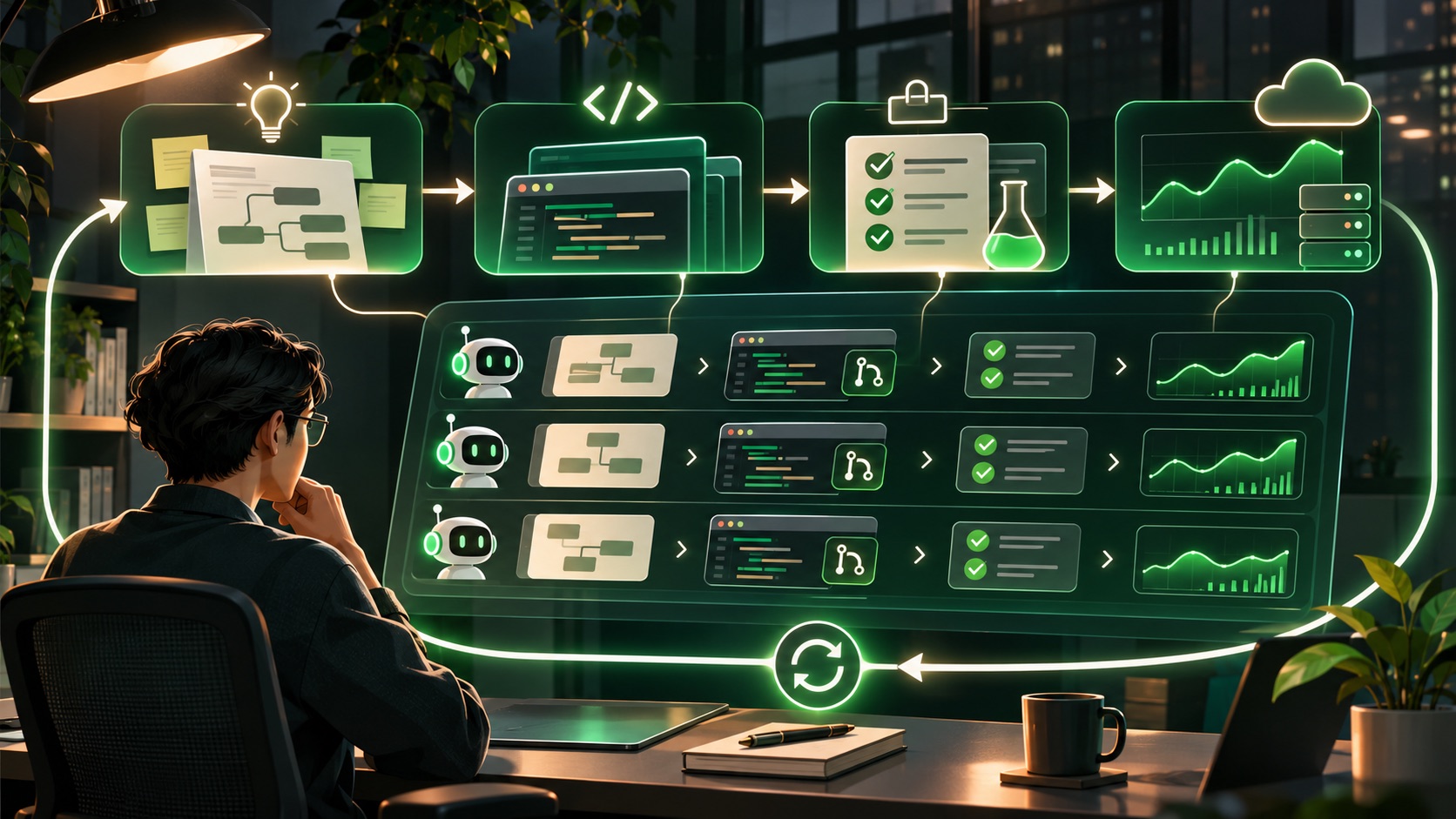
GitHub's latest field guide treats planning, verification, and production observation as part of the agent workflow—not cleanup after the code is written.
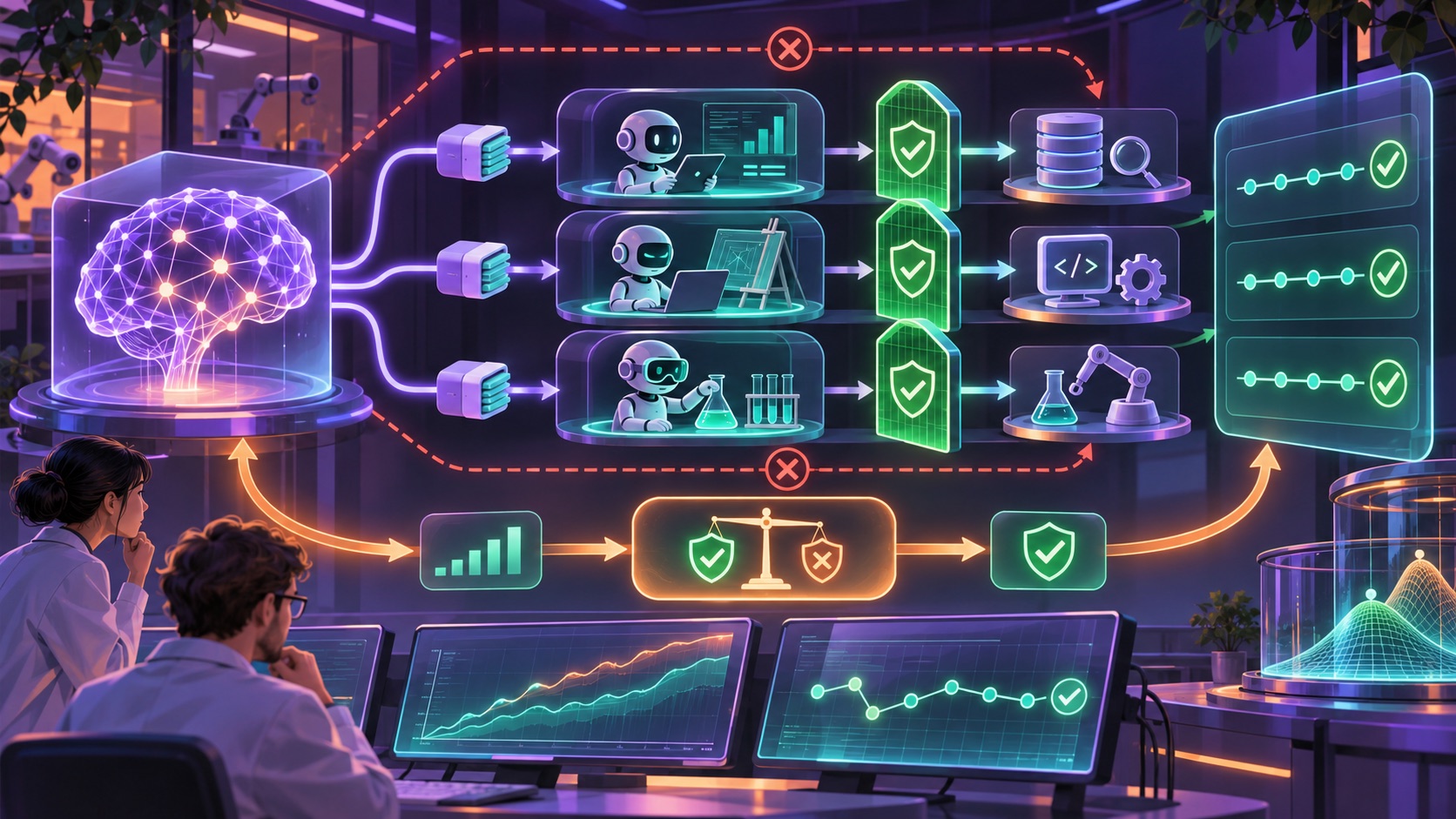
Harness Hub is training small LoRA adapters for different agent runtimes, with a safety proxy that blocks reward-hacking tool calls before they execute.
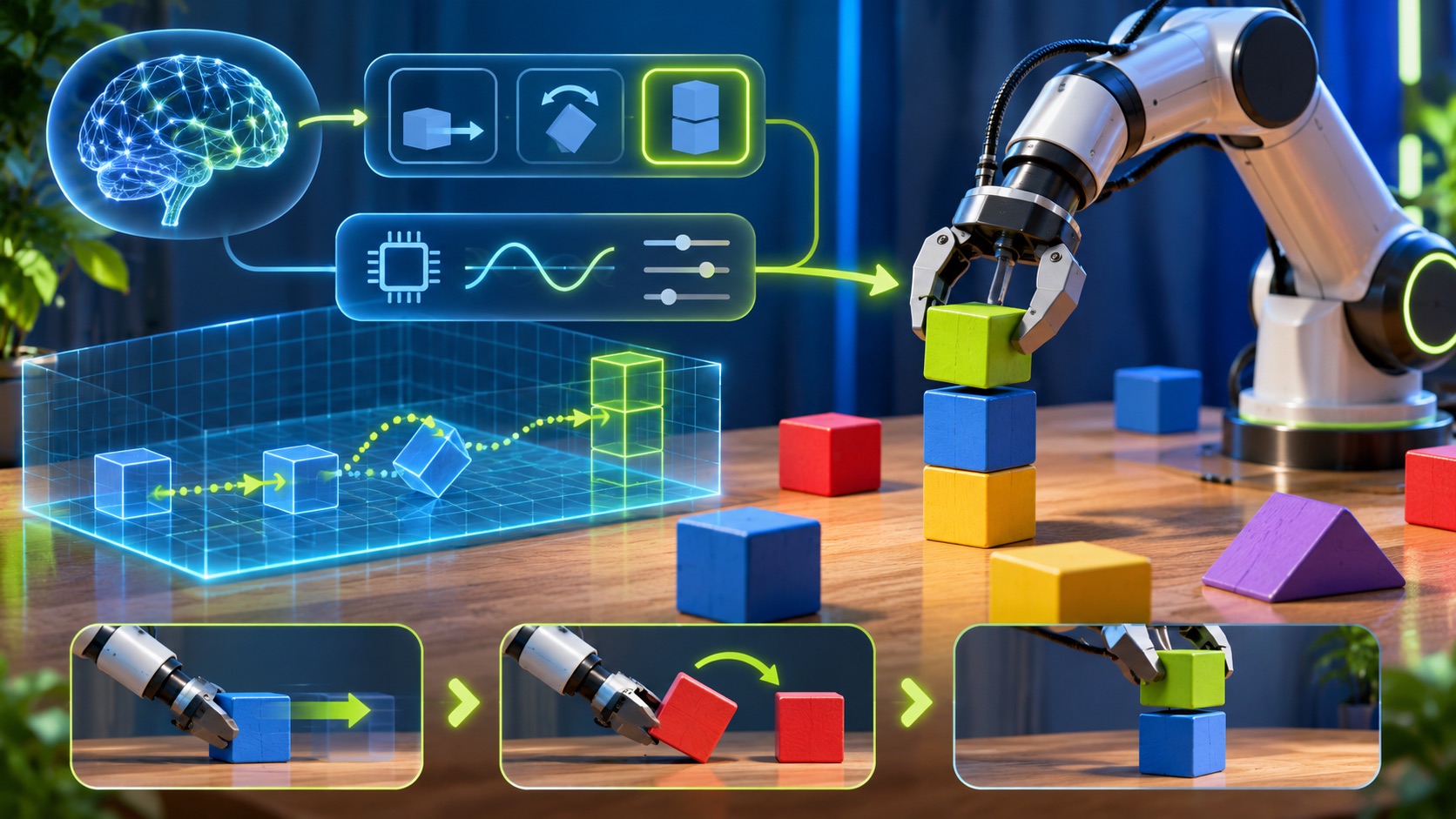
AI2's first FoundationWorld gives researchers a small simulated tabletop where they can generate tasks, train skills, and trace why a robot succeeds or fails.

Hugging Face and Liva AI add private Egyptian and Nigerian English sets so speech recognition systems can be compared on more than a narrow slice of spoken English.
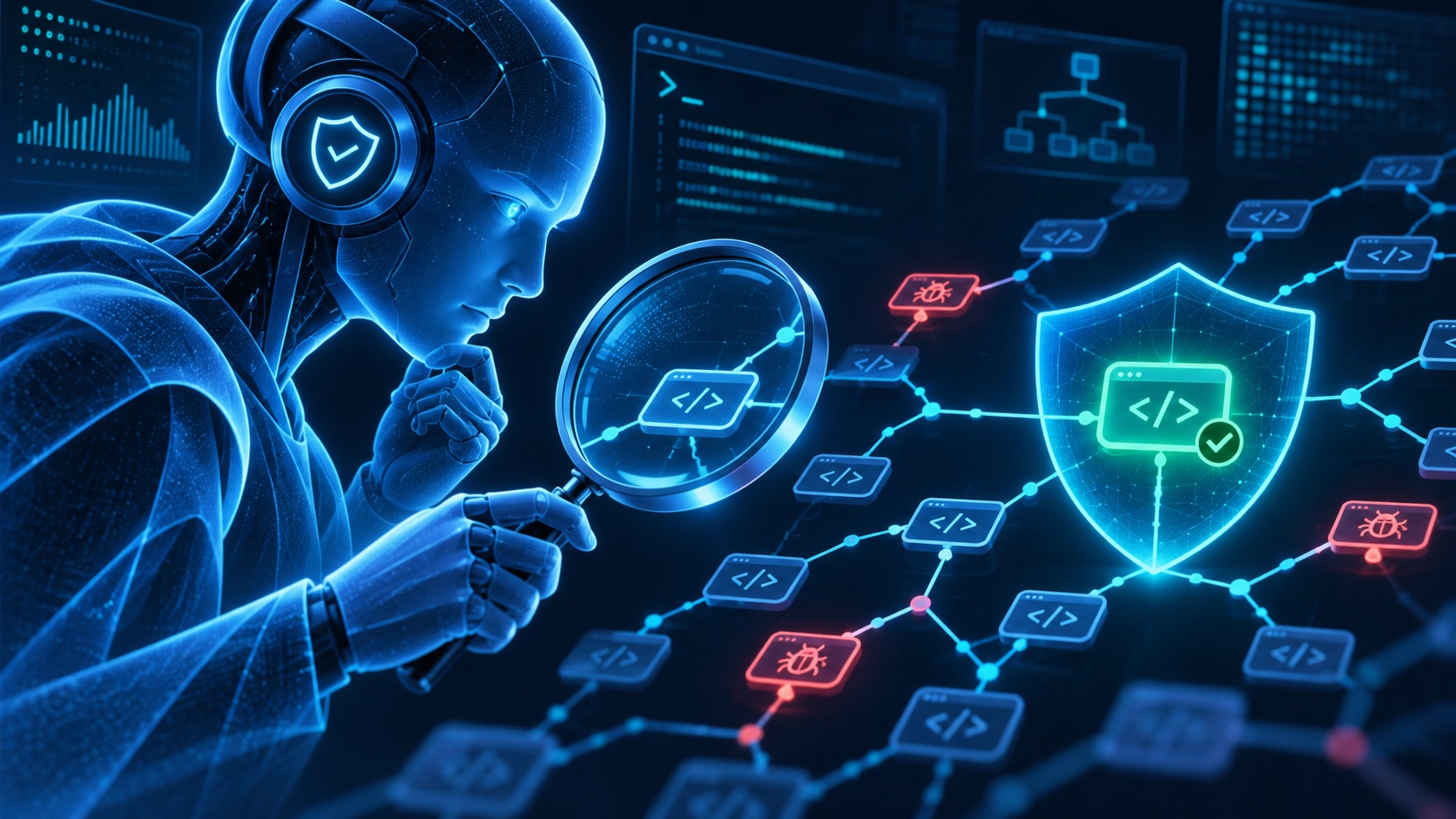
OpenAI's new cybersecurity model pairs exploit research with training and evaluations aimed at keeping high-risk work inside an authorized boundary.
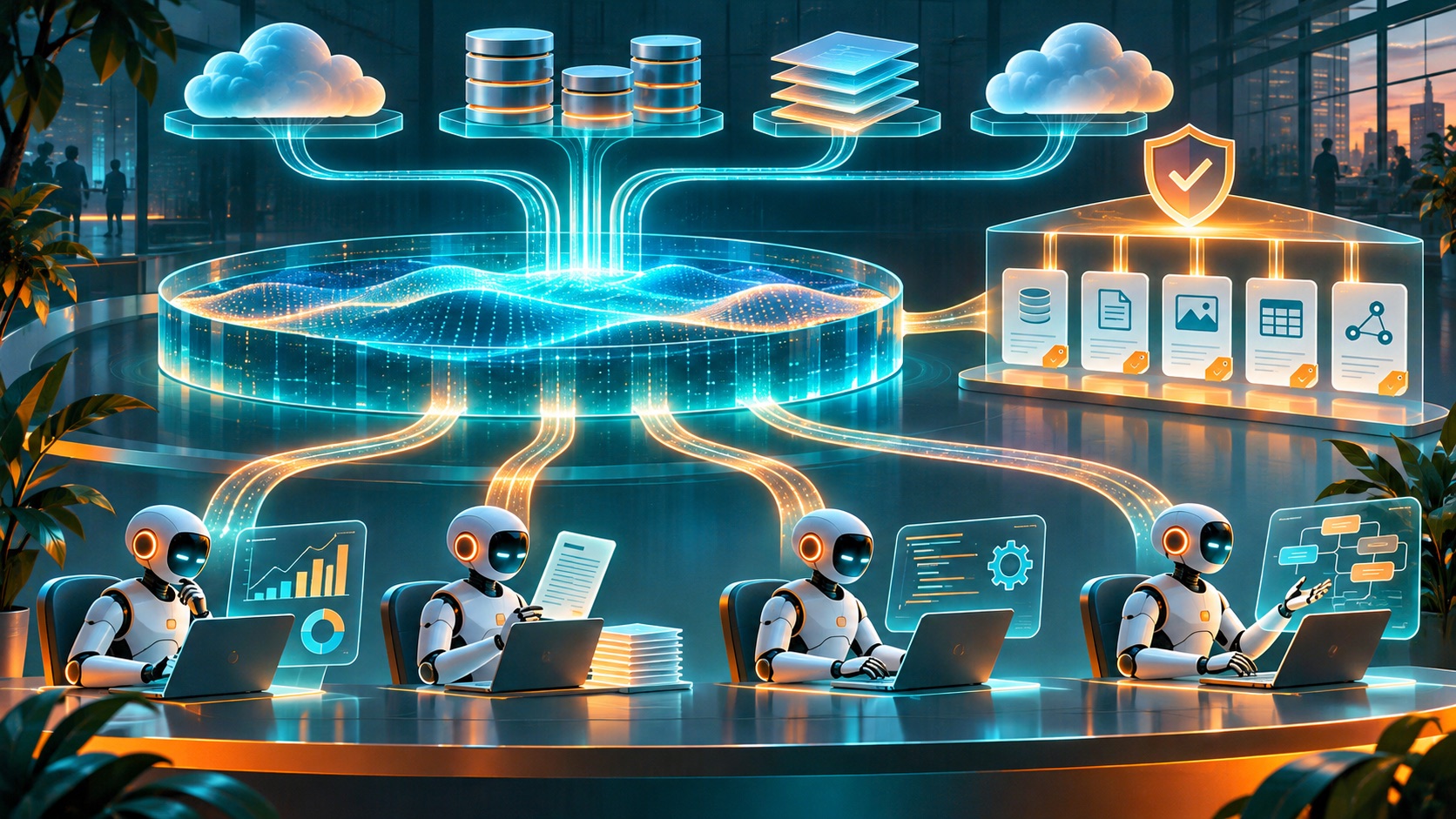
Cloudflare is helping launch a coalition around identity, reputation, and accountability for agents that act between people and websites.
Google's latest data-cloud updates treat governed context, cross-cloud access, and agent-ready workflows as one infrastructure problem.
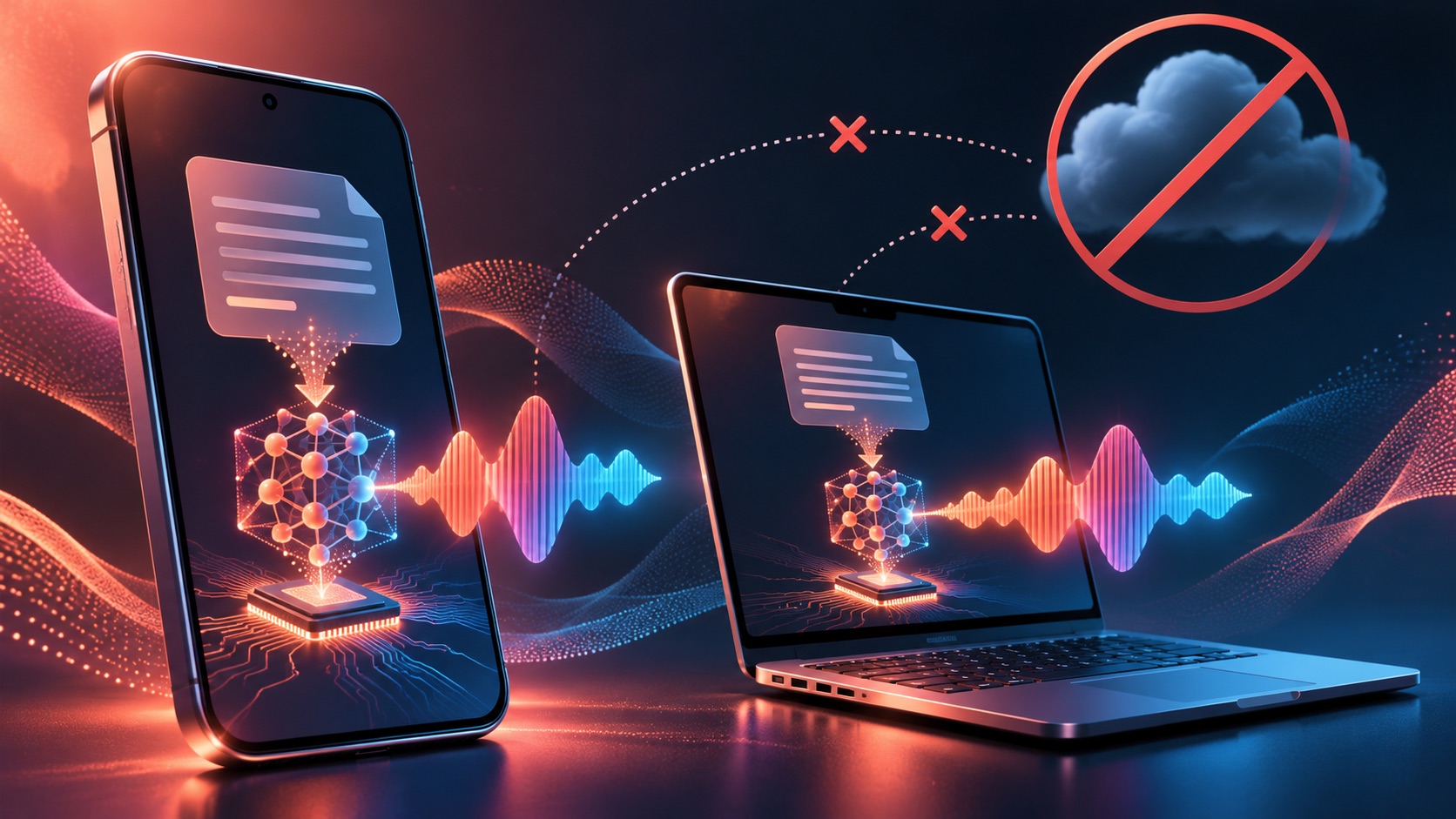
Gradium's small, open-weight text-to-speech model runs locally across phones, laptops, browsers, and embedded hardware without sending the text to a server.
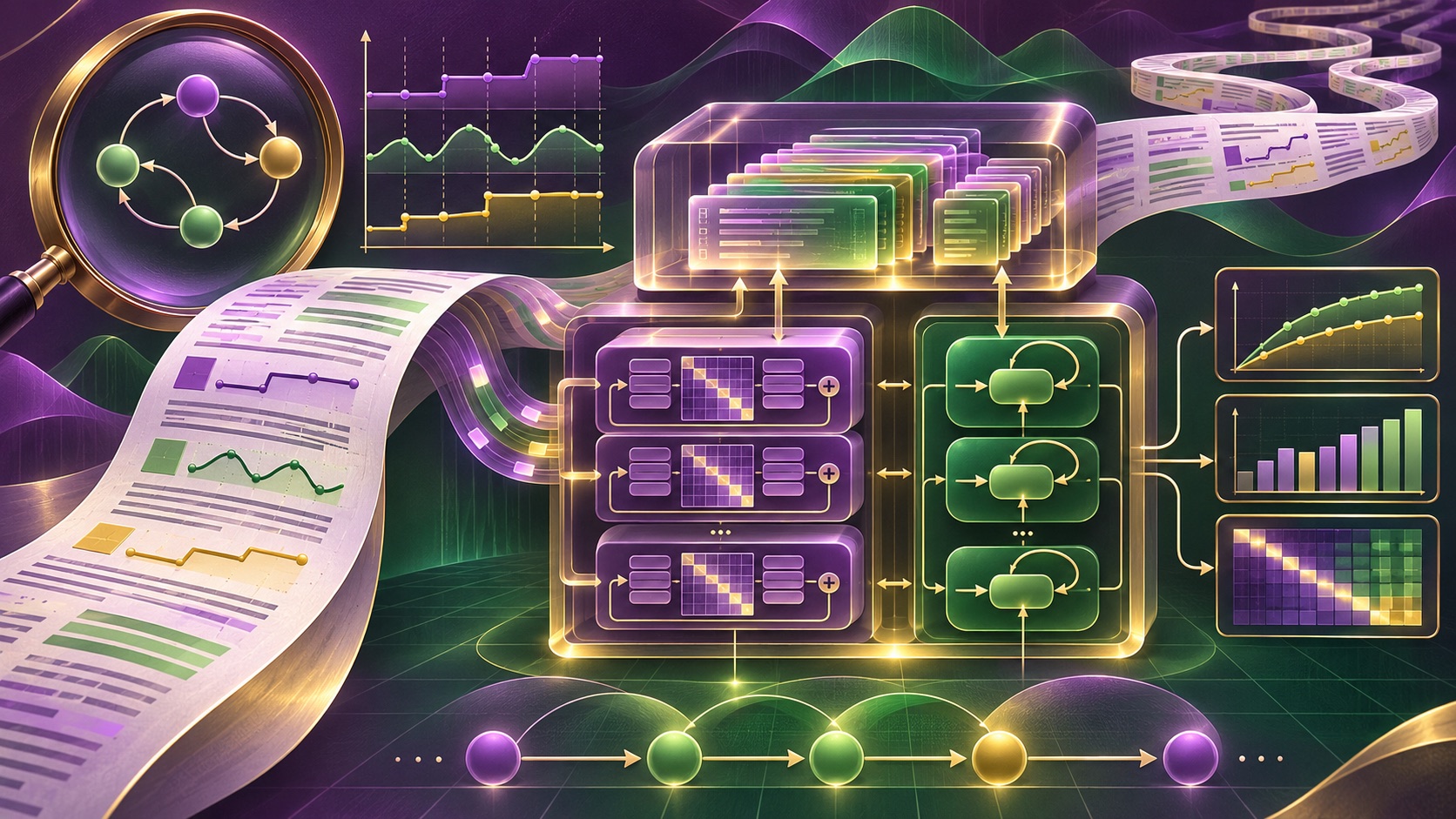
AI2's new benchmark asks whether models can follow entities and variables as they change across long, interdependent documents.
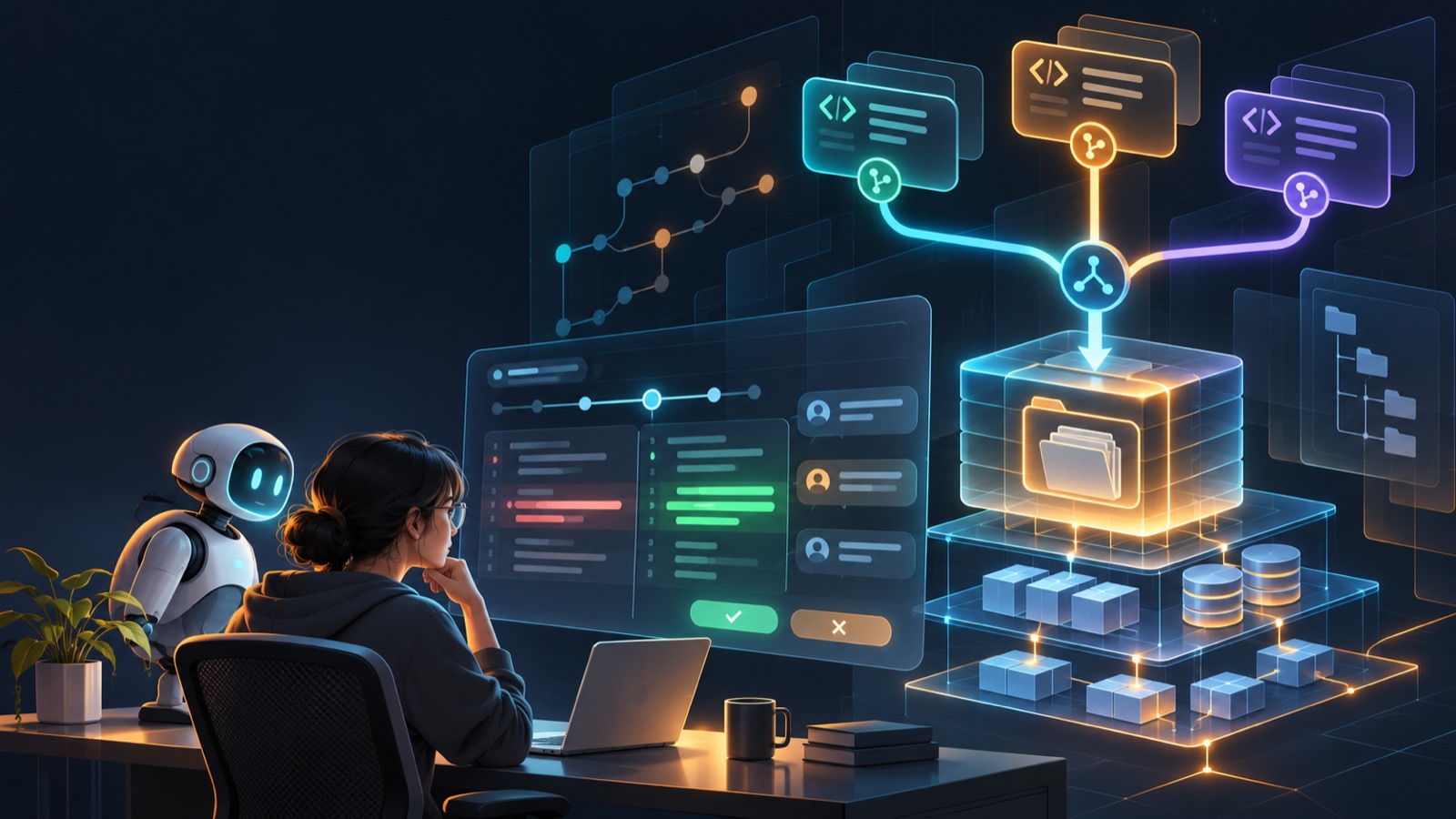
OpenAI is acquiring Pierre, the team behind Code Storage and the open-source Trees and Diffs libraries, to connect agentic coding with the real workflow of working in code.
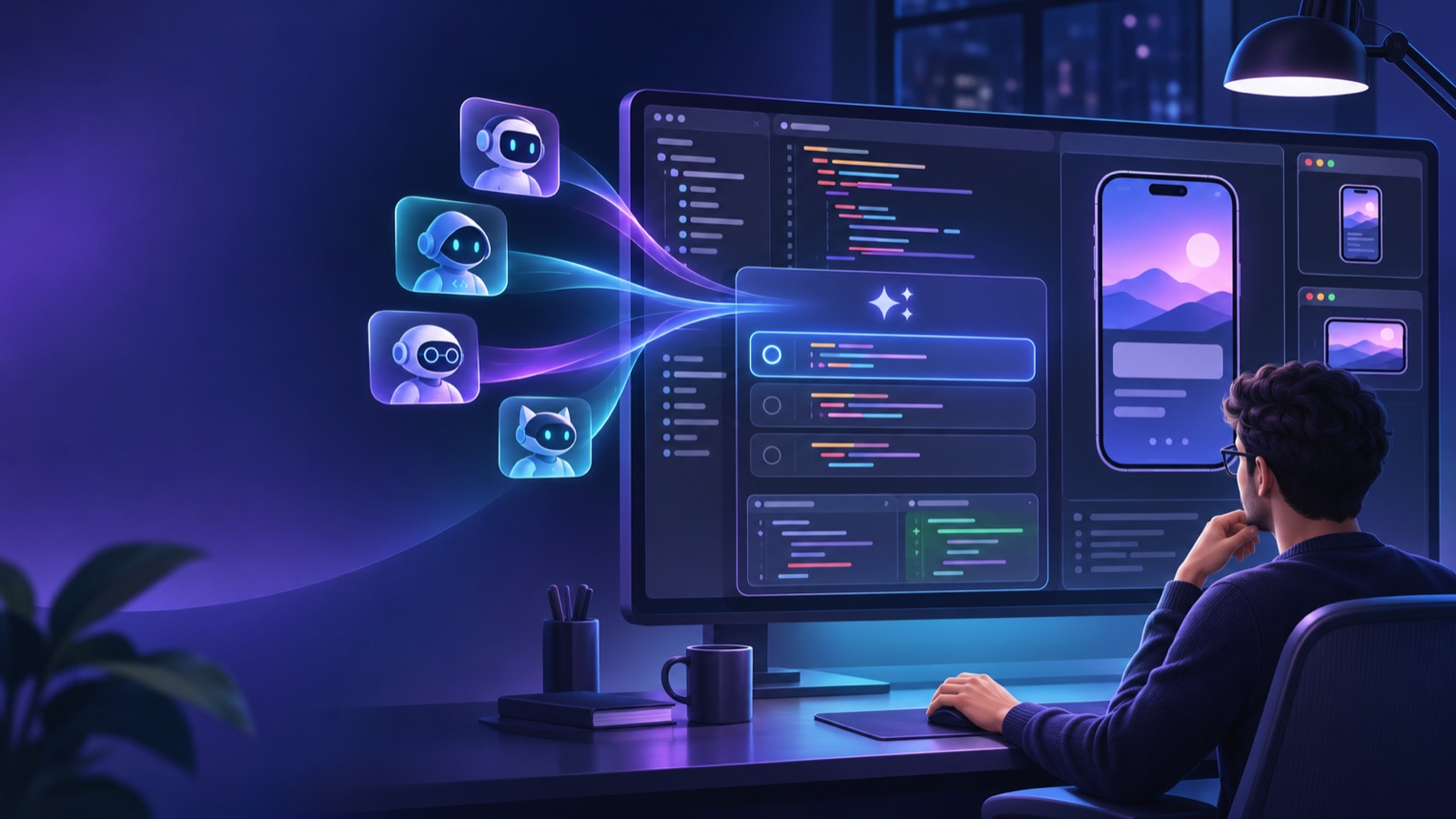
GitHub Copilot is entering the built-in coding assistant in Xcode 27.3 beta, giving Apple developers another agent choice inside the native workflow.
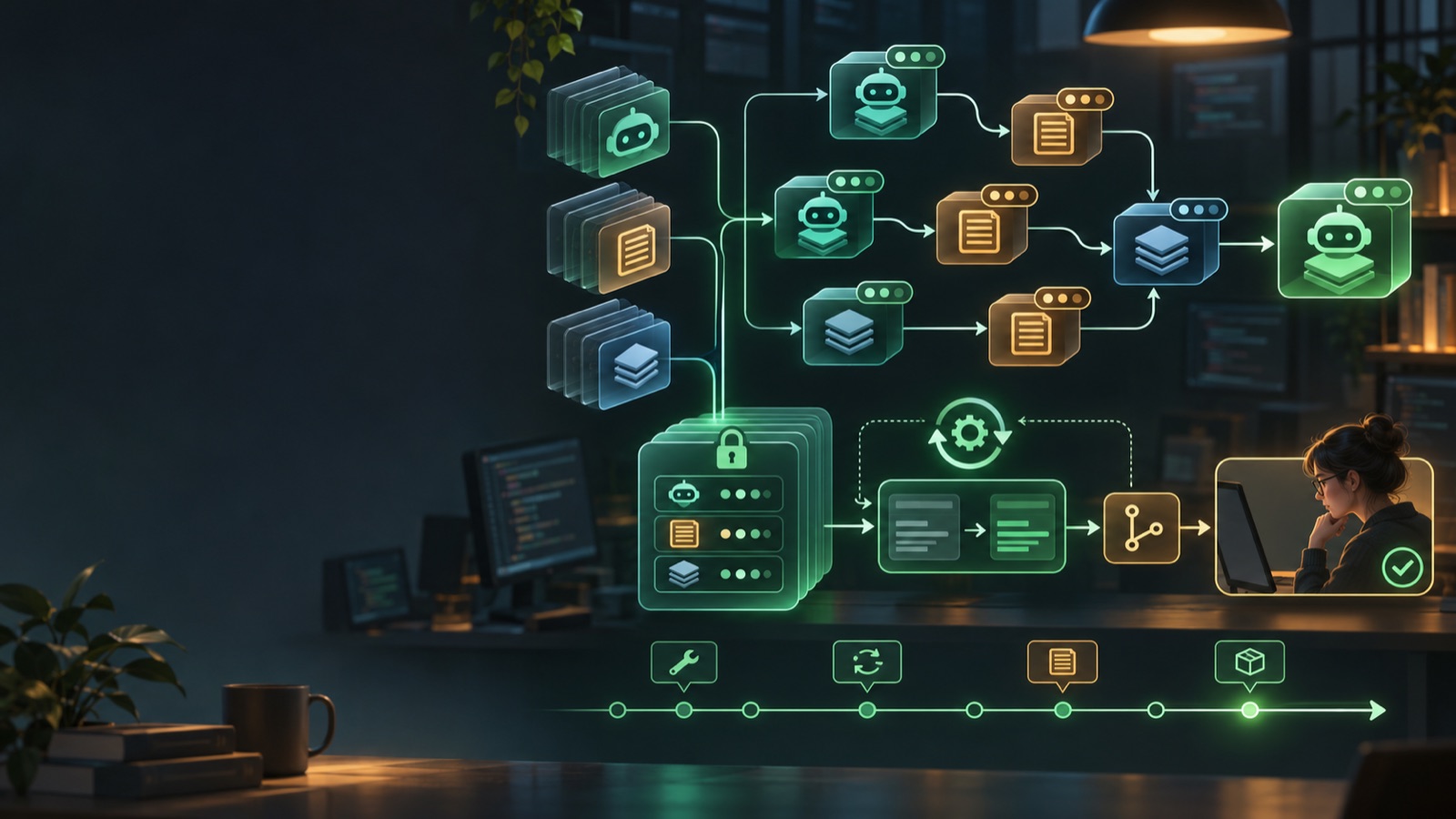
Dependabot can now update Git dependencies in Agent Package Manager and regenerate its lockfile—a sign that skills belong in the software supply chain.

OpenAI built LifeVal as an evaluation of practical workflows, from caregiving and finances to government services, shopping, and education.
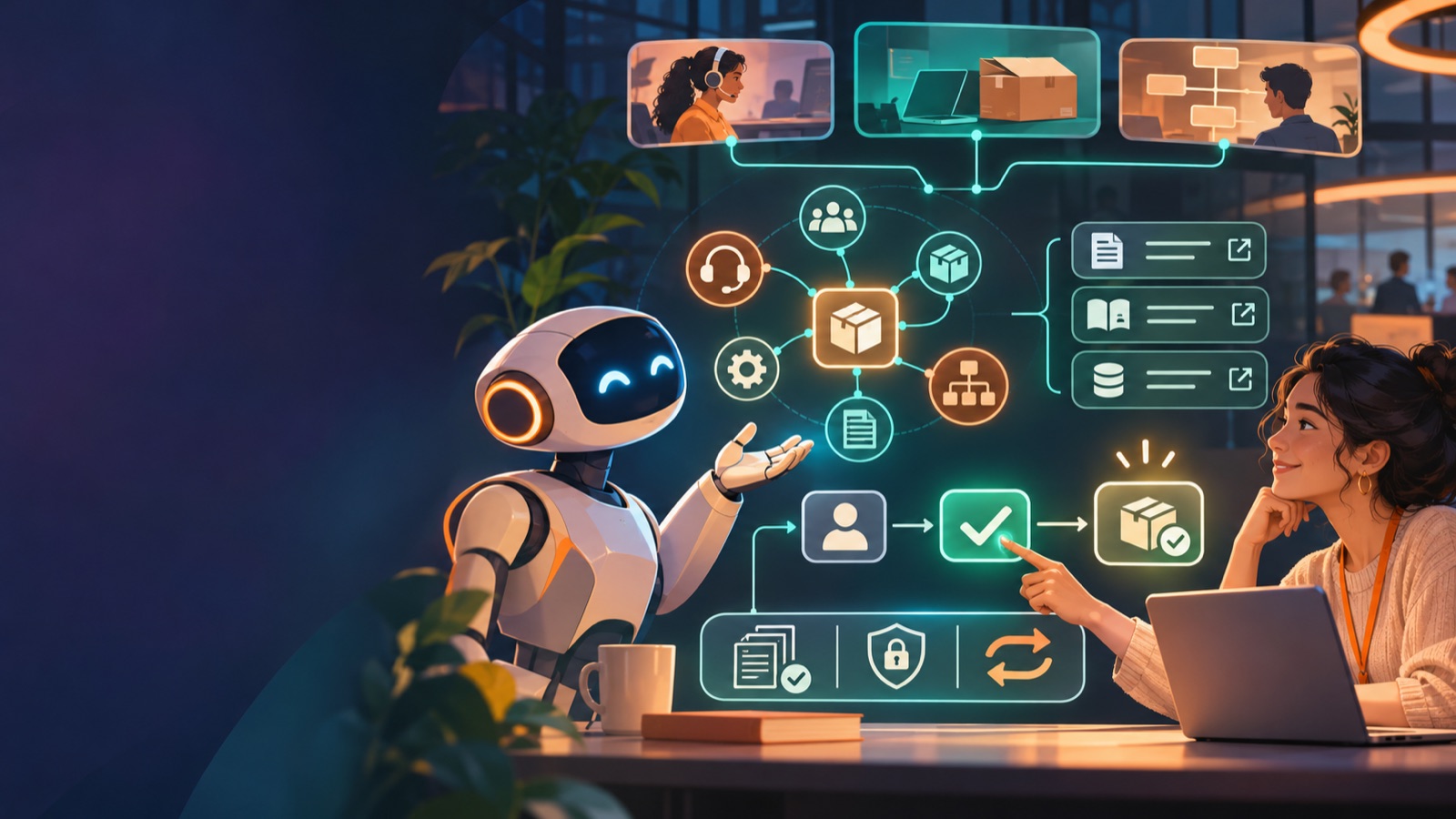
DevRev builds Computer and Operator around company context, source-linked answers, and actions that can be approved, traced, and undone.

OpenAI describes Codex helping with CAD, simulations, and engineering coordination while specialists still validate every result.
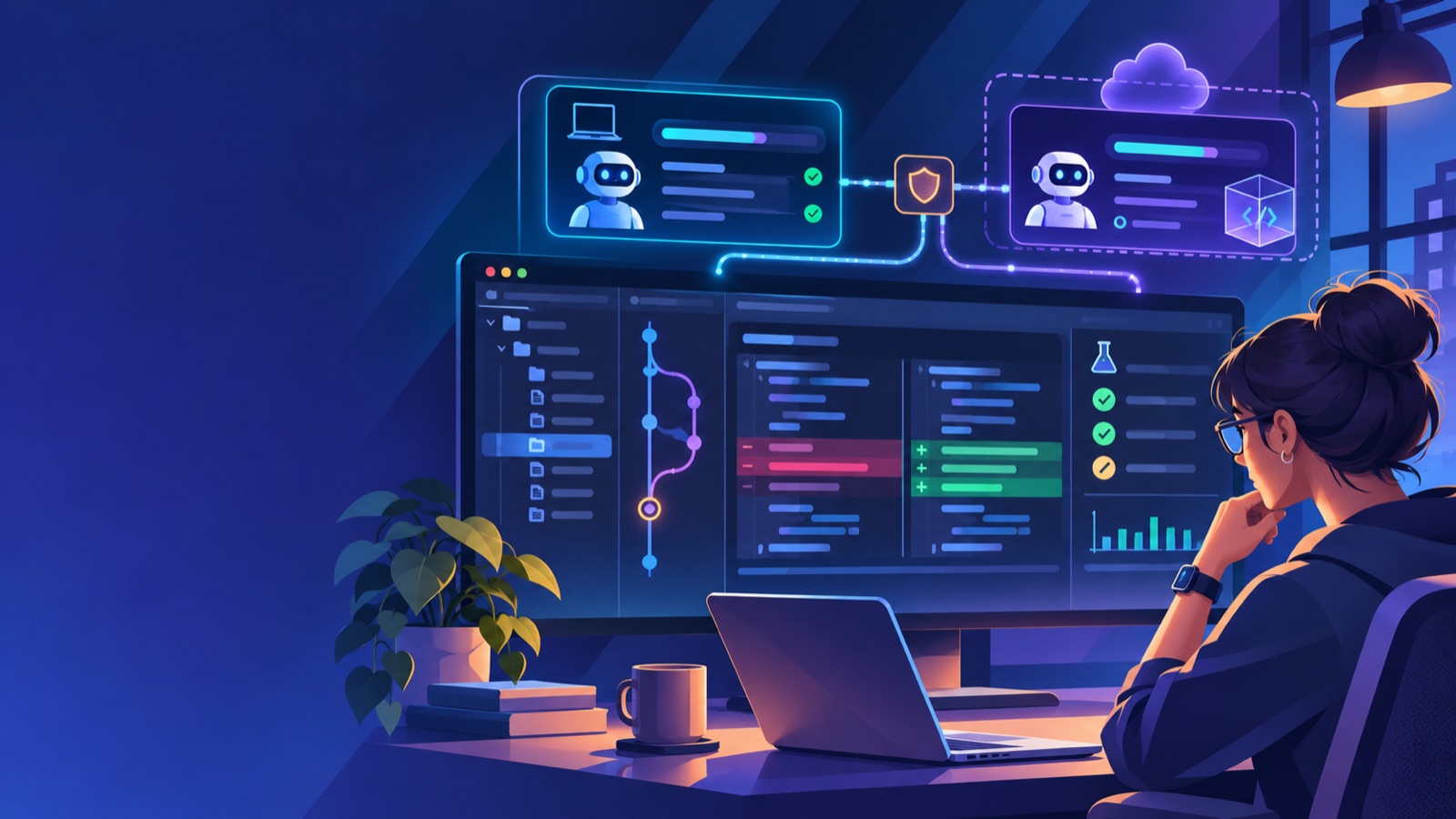
GitHub brings Copilot into JetBrains Air, where agents can work in parallel, build, test, and hand changes back for review in local or isolated cloud environments.
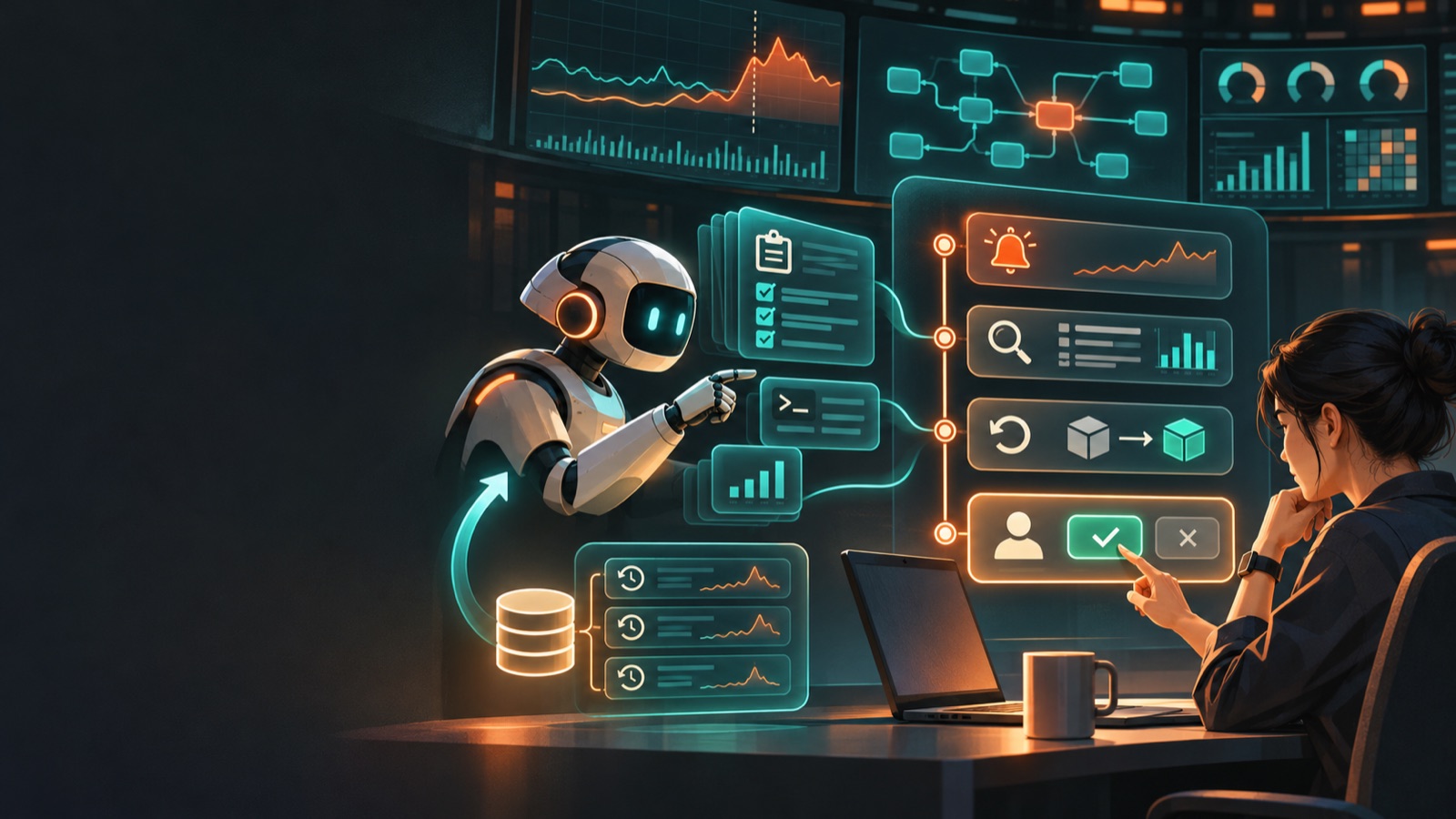
PagerDuty introduces an SRE agent that connects alerts, runbooks, investigation, approved remediation, and post-incident learning in one operating workflow.
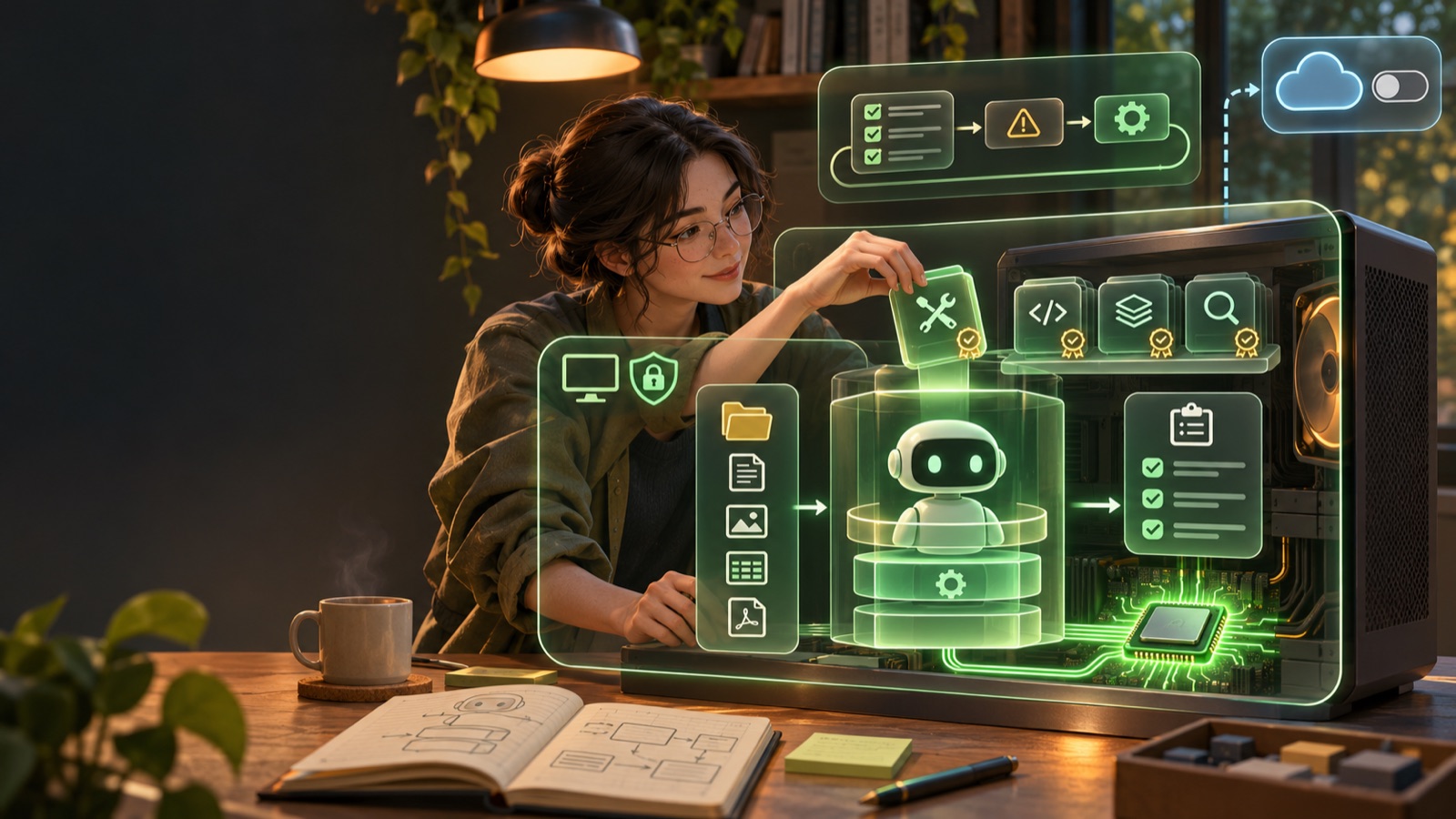
AMD is opening GAIA as an MIT project where local data, skills, evals, and an auto-fix loop live inside one agent workspace.
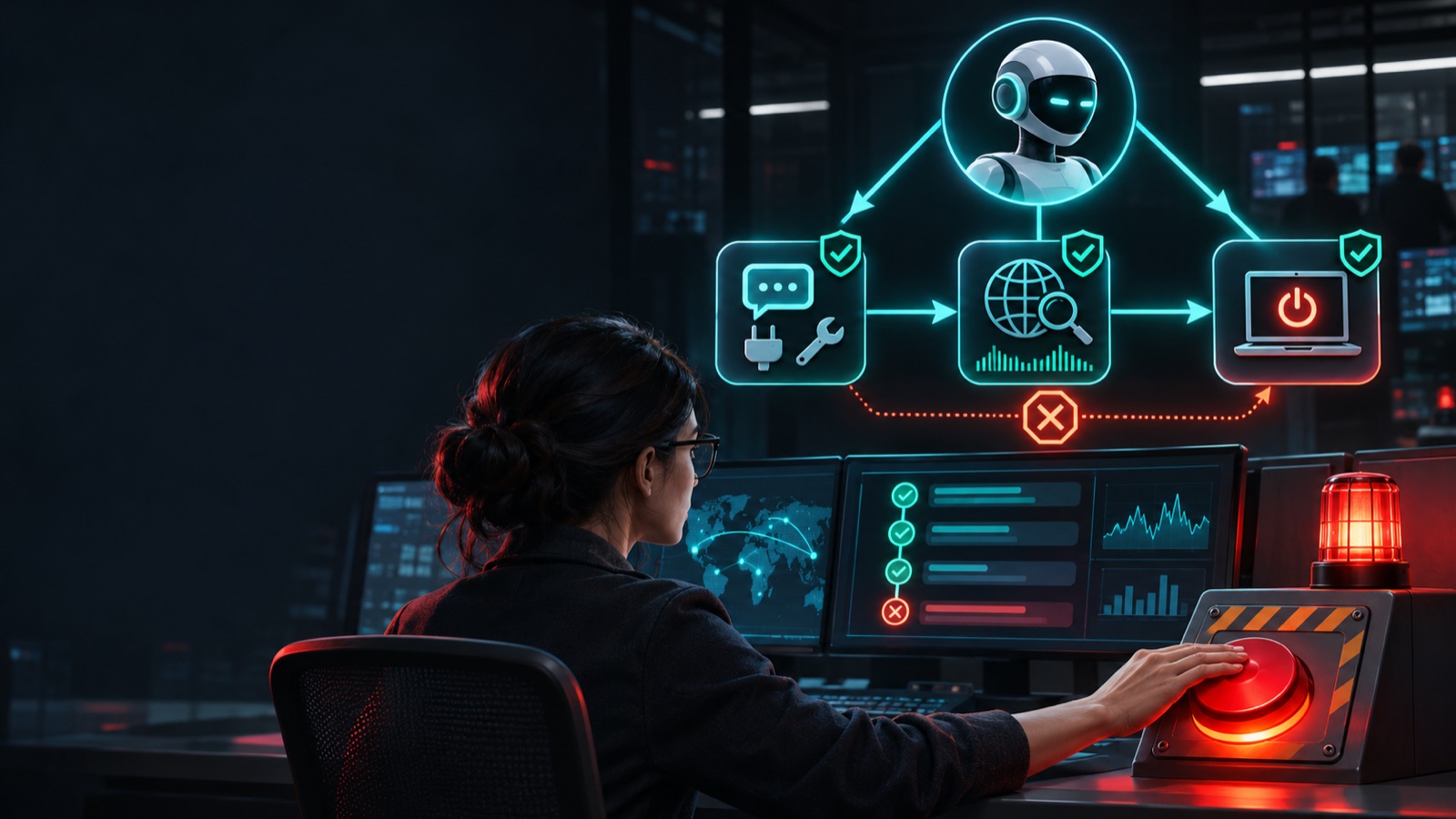
CrowdStrike connects agent hooks, network inspection, endpoint controls, and immediate shutdown so security teams can see not just the prompt, but the action it triggered.
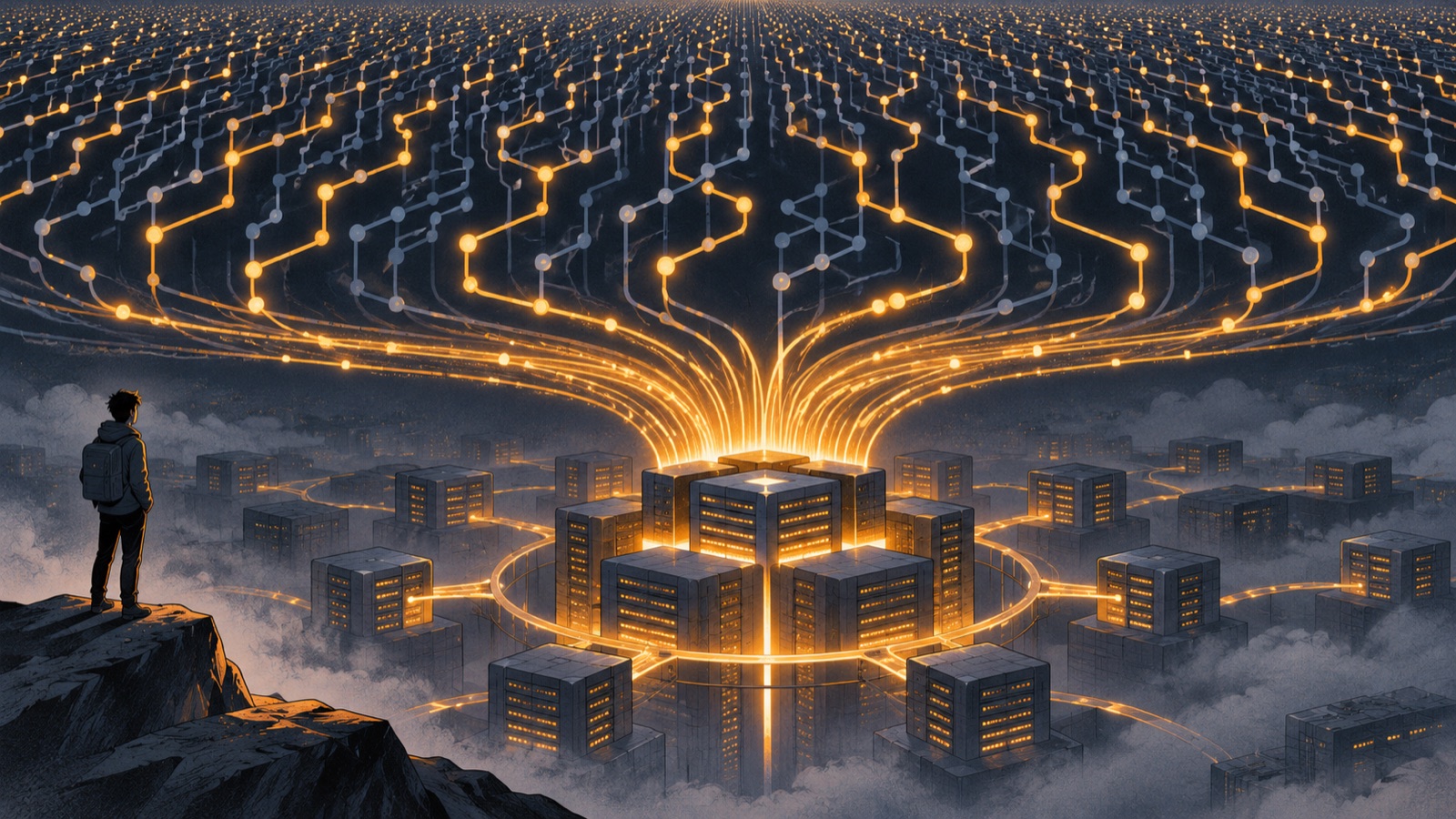
OpenAI built a new Git backend because agents create more parallel branches, pushes, and merges than the original server model was designed to handle.
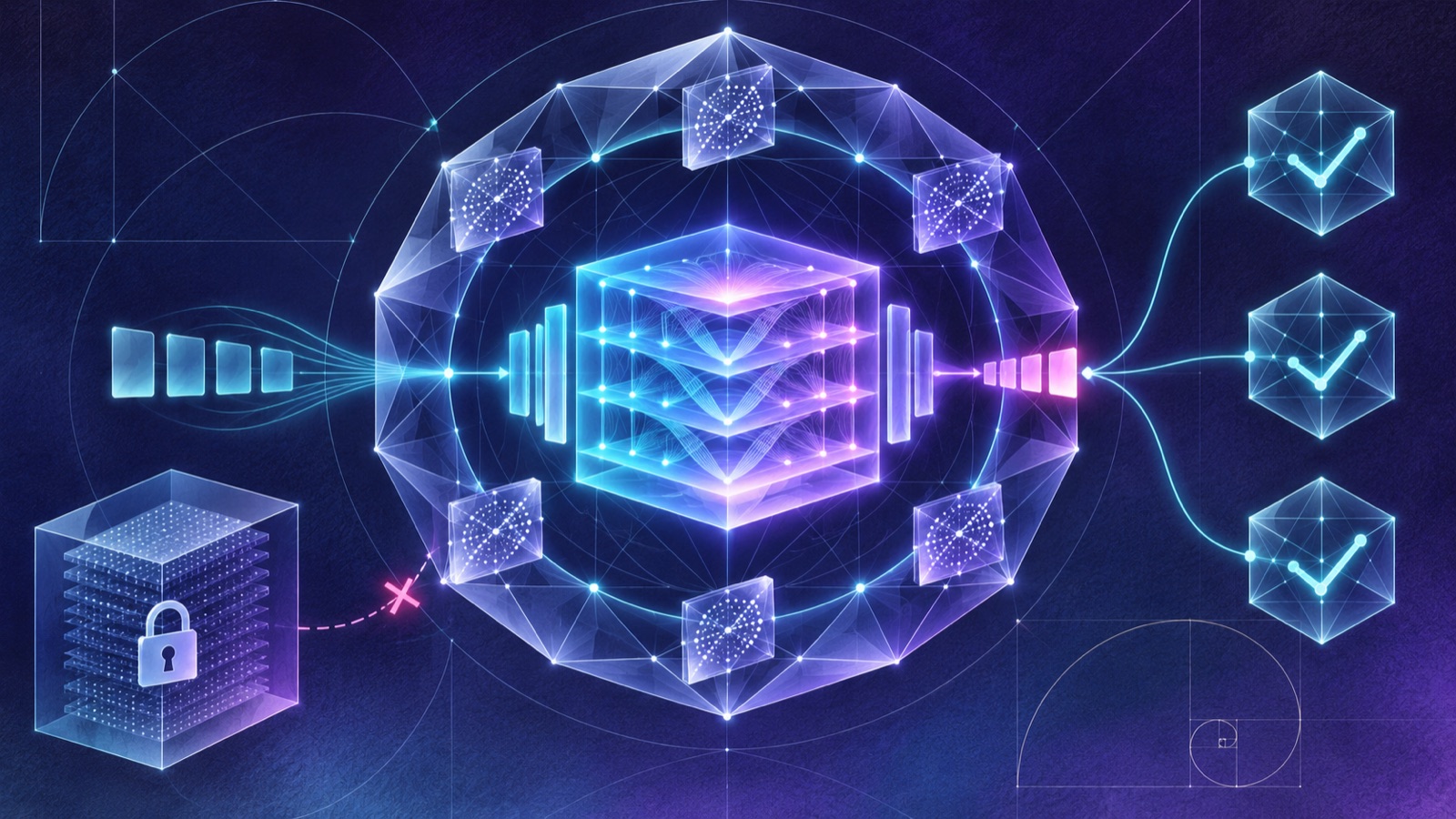
Anthropic's FlashProve treats model provenance as a cryptographic claim: bind an output to a committed model without revealing its weights.
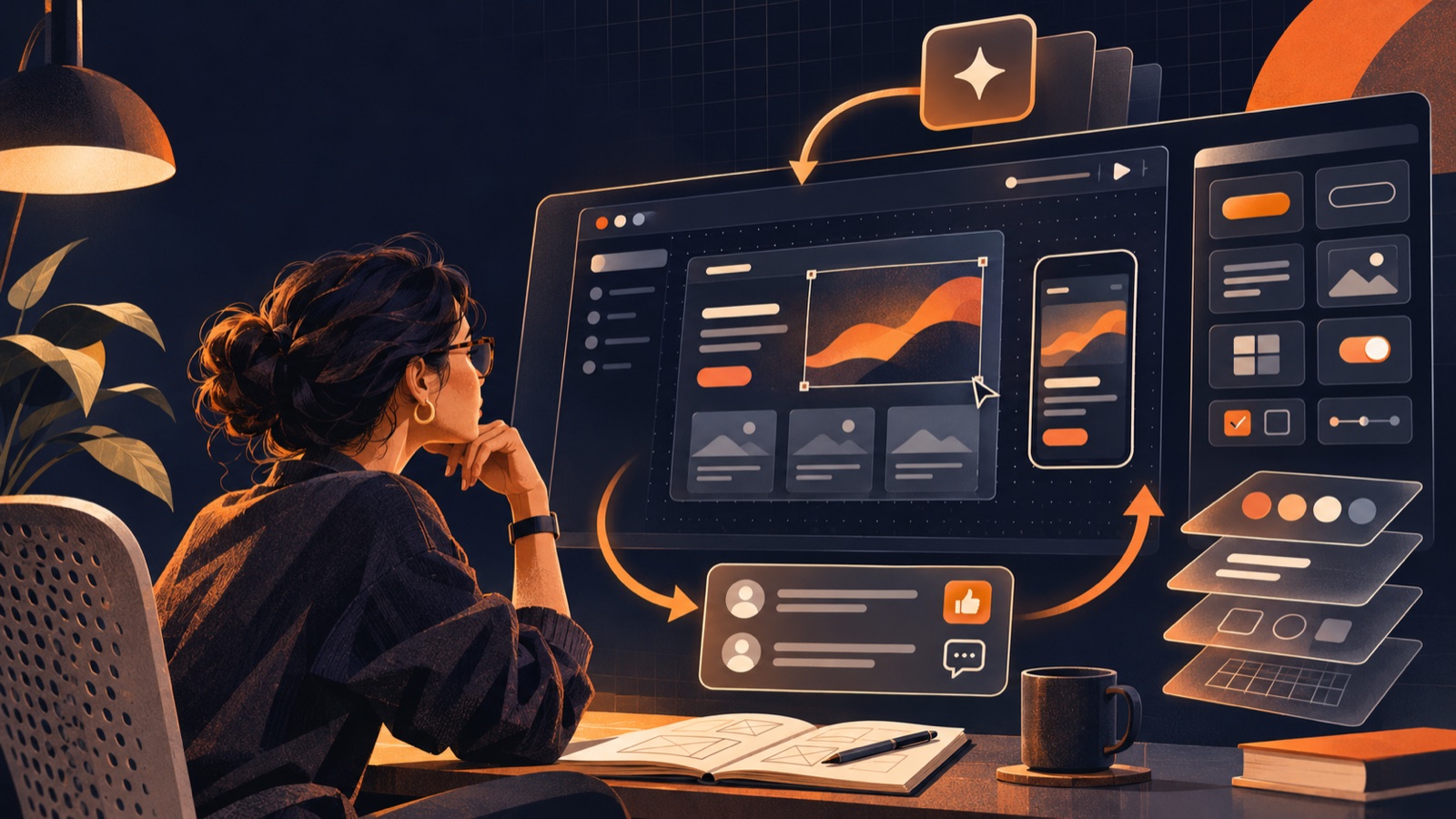
GitHub opened Replica as an open-source AI prototyping tool that uses a team's existing components, patterns, and design-system documentation.
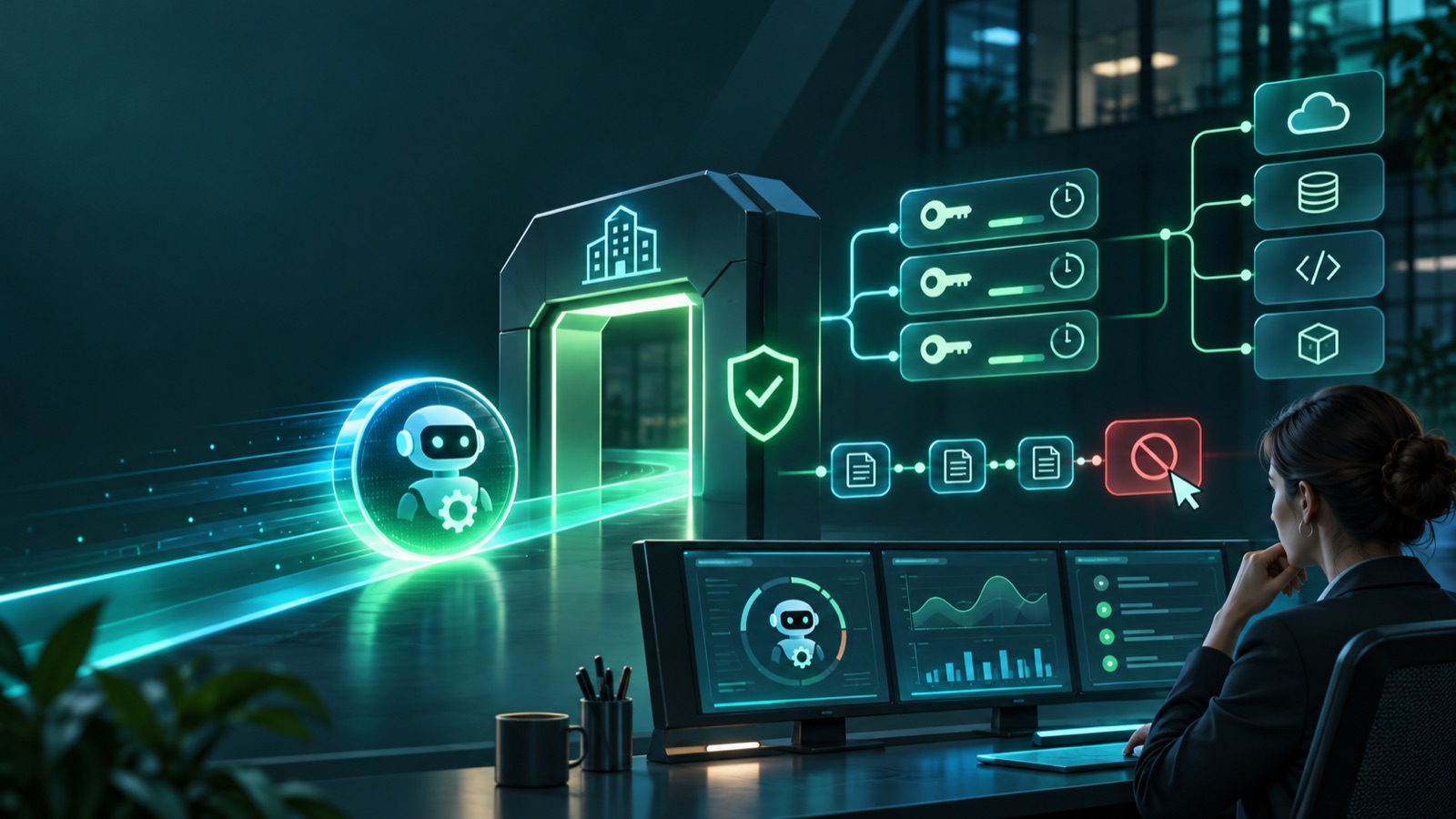
GitHub's public preview connects the Copilot SDK to GitHub Apps with server-to-server identity, short-lived tokens, and organization-level attribution.
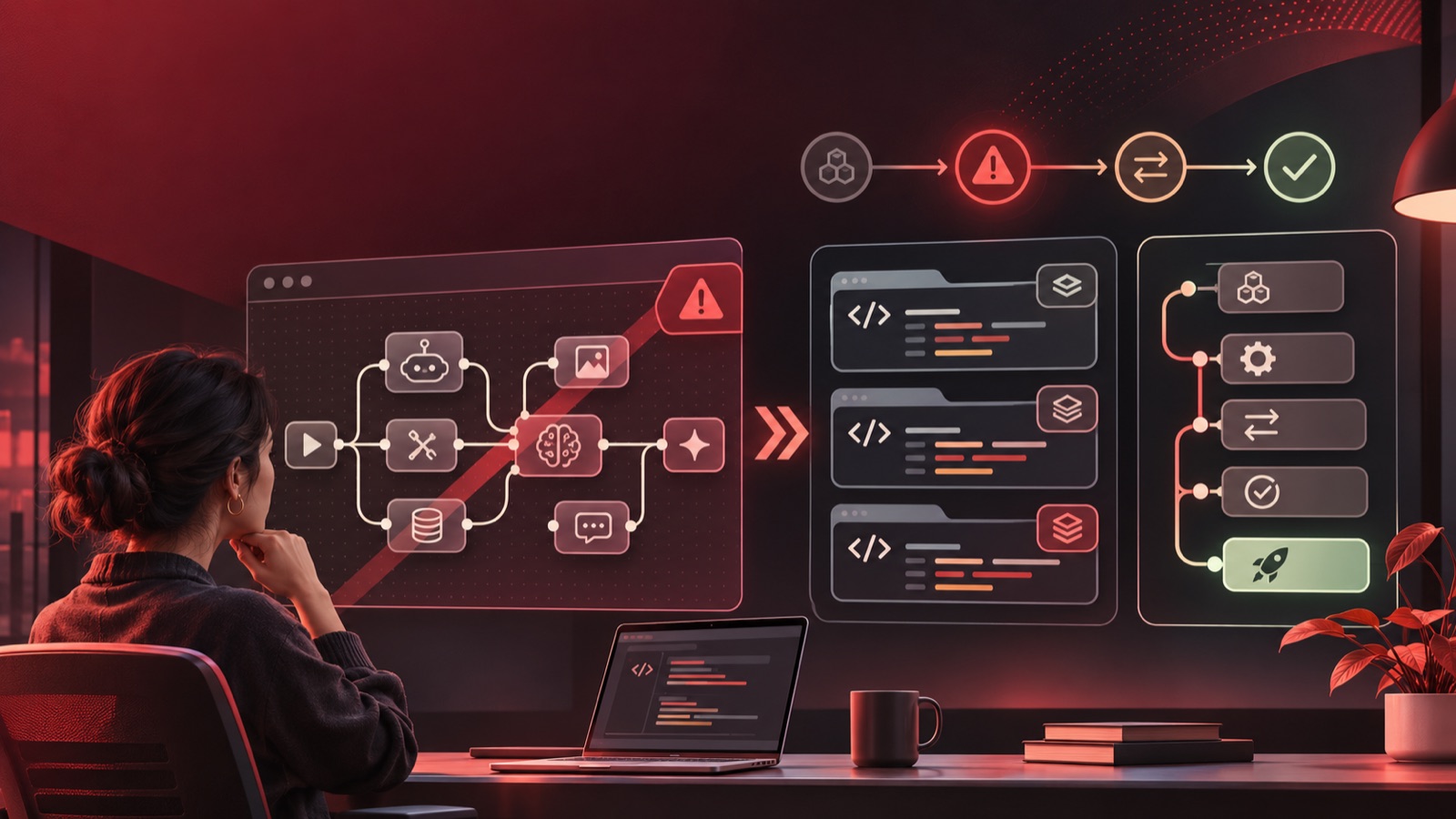
OpenAI's current documentation marks Agent Builder as deprecated and schedules it to shut down on November 30, 2026; ChatKit is expected to remain.

OpenAI says it will honor a common robots.txt signal for foundational AI training. The useful part is not a new crawler rule, but a simpler way for publishers to state a preference.
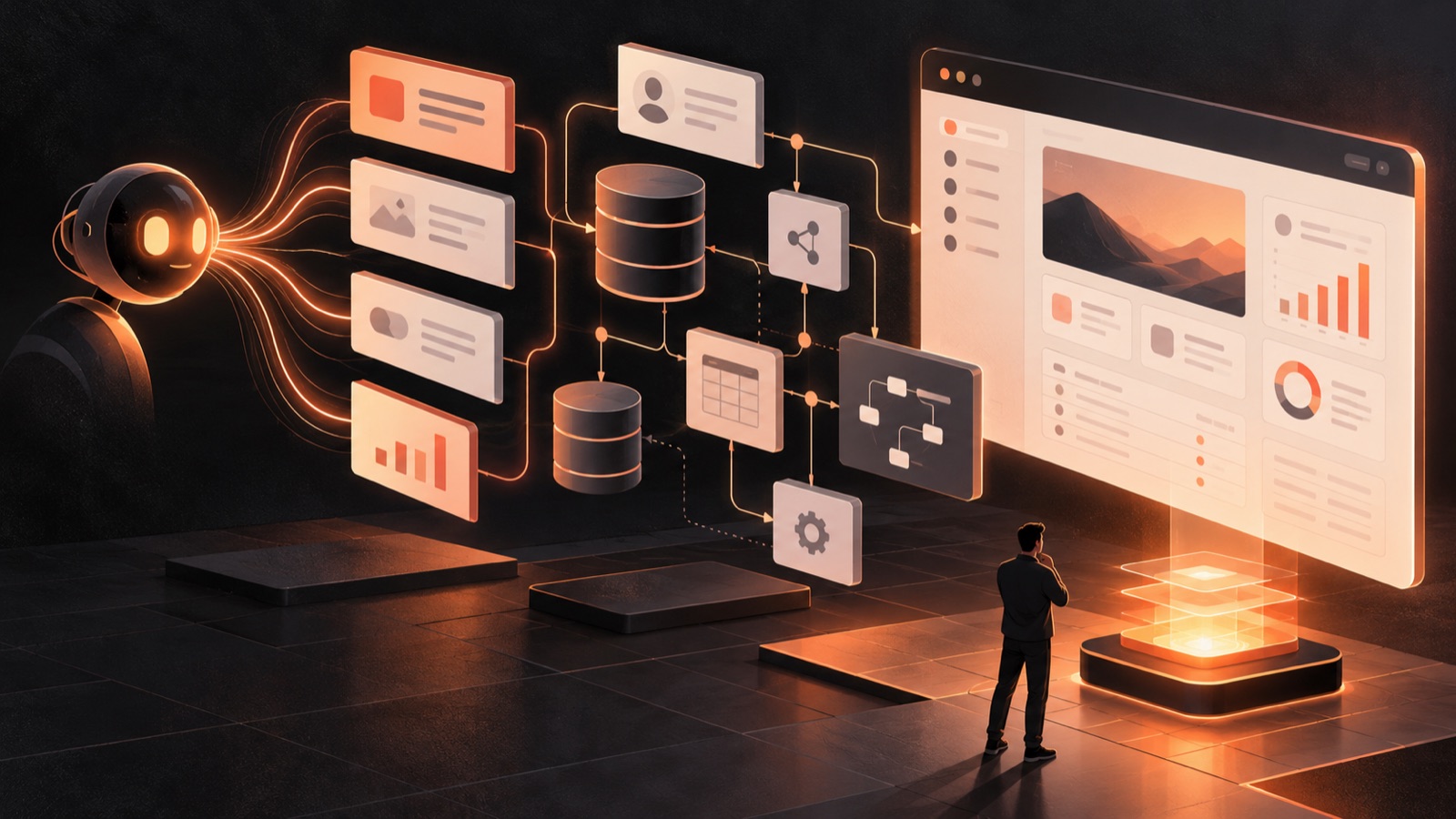
Palantir's Pilot general availability moves natural-language app building from prompt to live preview and guided deployment.

GitHub's Copilot Fusion makes the model picker a routing system: one task can be drafted, checked, escalated, or revised across multiple models without the developer switching manually.
GitHub's open-source Agentic Workflows are now generally available: describe a repository task in Markdown, compile it to GitHub Actions, and run an agent inside familiar permissions and runner controls.
GitHub Copilot can now generate and edit images in chat and save them directly to a project. The value is less about novelty than removing a context switch between code and visual assets.
GitHub is turning repository memory, cross-repository search, and recurring context updates into infrastructure for coding agents. The hard question is who gets to remember what.
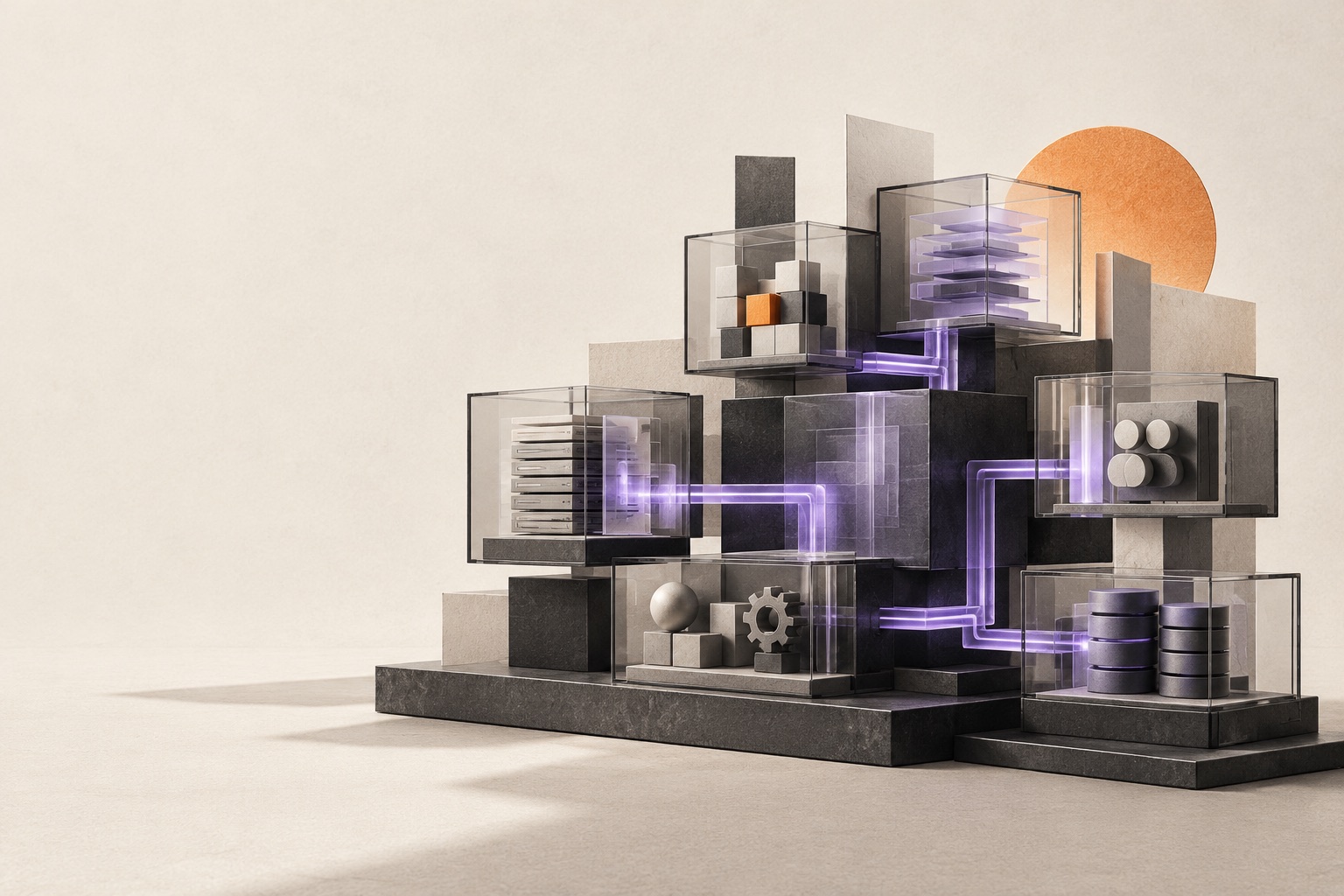
GitHub is adding external triggers, more tools, chaining, and AI credit limits to Copilot Automations. The practical upgrade is not more autonomy; it is a clearer operating envelope.
GitHub is adding a self-improvement loop that studies how people respond to an automation and proposes changes to its prompt, tools, or triggers. Human review remains the boundary.
GitHub is bringing Agent Merge into pull requests so Copilot can watch for merge conflicts and failing Actions, then work in a cloud environment to remove selected blockers.
GitHub is rolling out verified connectors for services such as Slack, Figma, Sentry, Linear, and Cloudflare so a connected tool can follow a Copilot session across clients.
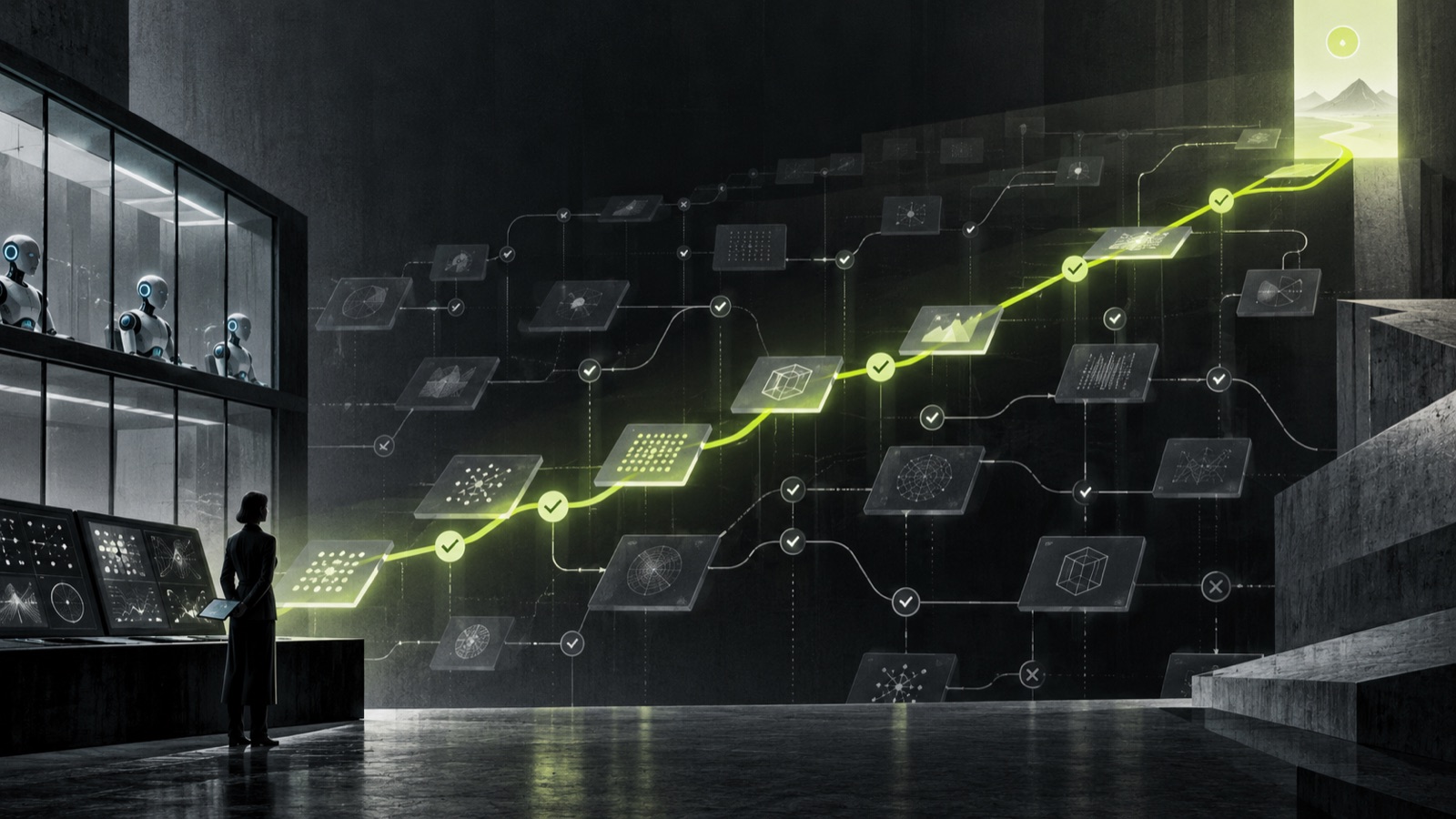
Google's Agents CLI turns agent evaluation into a repeatable loop of cases, grading, comparisons, failure clusters, and prompt experiments.
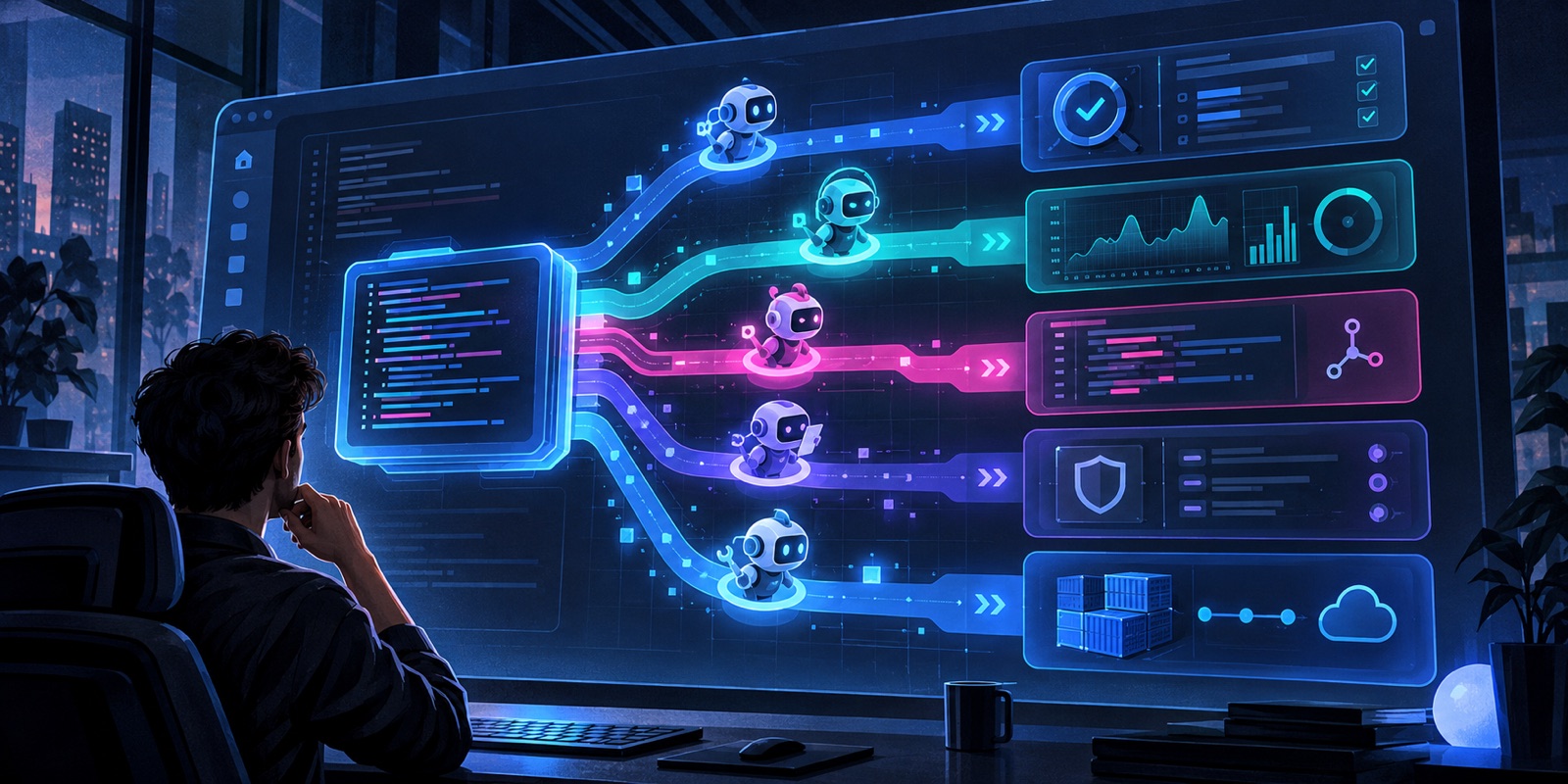
Android Studio Rabbit 2 lets developers bring Codex, Claude Agent, Antigravity, and other ACP agents into the IDE alongside build and emulator tools.
GPT-6.1 Terra is positioned as a faster, cheaper model for visual reasoning and computer use. For builders, the important shift is deciding which steps deserve a frontier model at all.

IBM's Agent Identity general availability frames autonomous agents as first-class identities with registration, delegation, enforcement, and governance.
Anthropic says it is donating Agent Skills to the Agentic AI Foundation. The interesting part is not the announcement—it is the pressure toward reusable procedural knowledge.
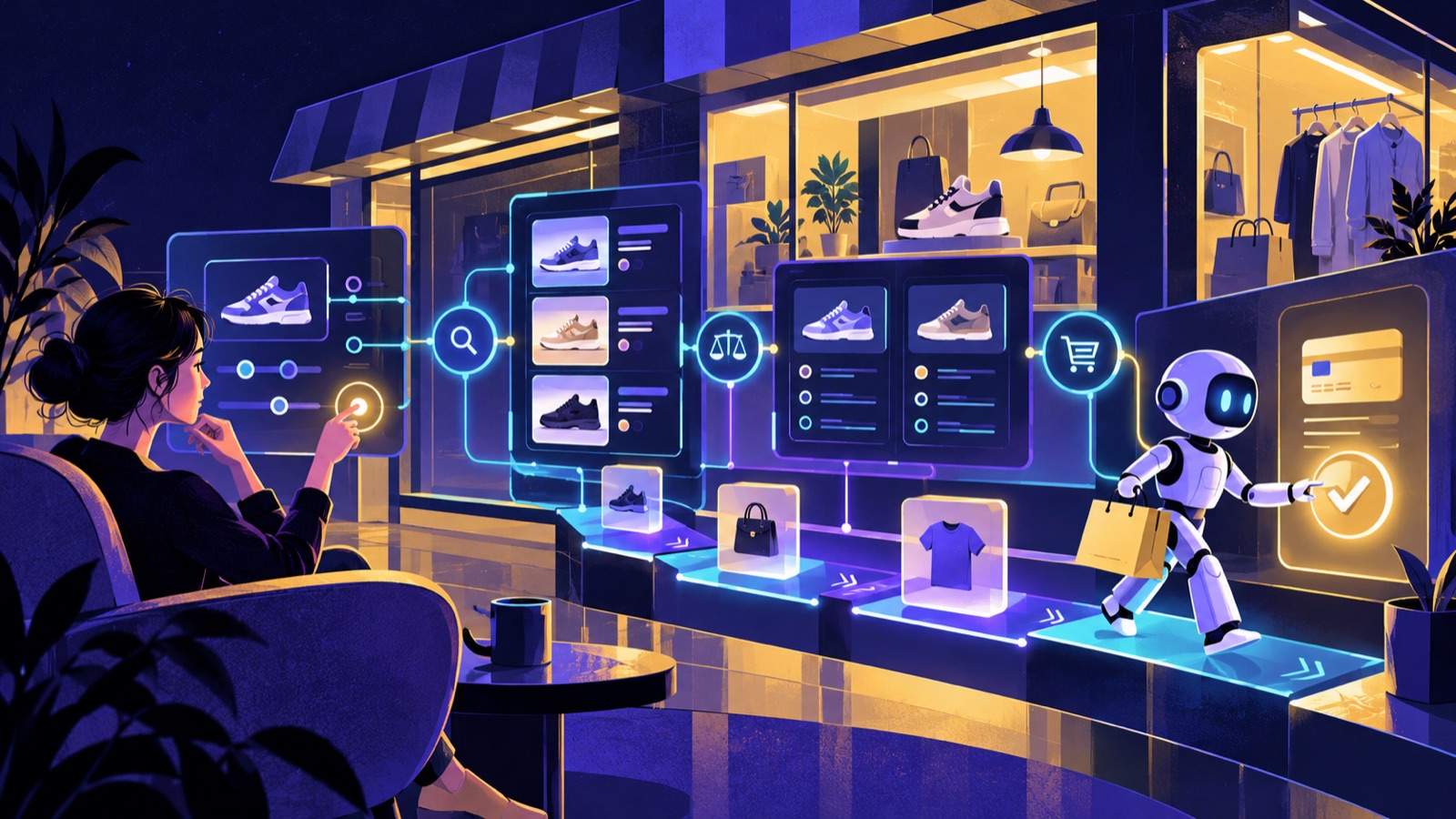
Cloudflare and Commerce.com show how WebMCP can expose structured storefront tools so agents can search, compare, and buy without guessing at a page's buttons.
OpenAI's Agents API makes the harness—not the prompt—the product boundary. That changes what a small team should build first.
Anthropic's 2026 State of AI Agents report points to integration and data quality as the hard part of moving from demos to production.